
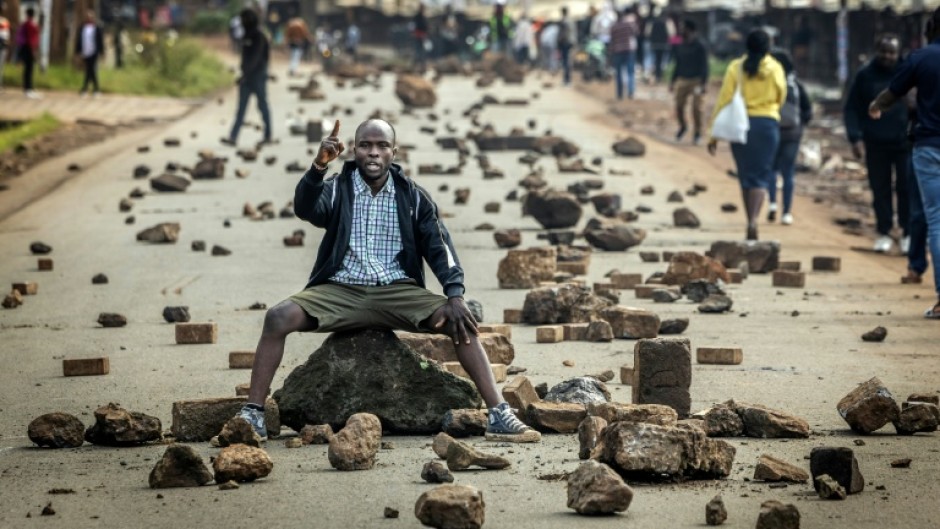
NAIROBI - A Kenyan transport strike, triggered by the Middle East war, brought the country to a halt for a second day on Tuesday after four people died and dozens were wounded the previous day.
One of many African countries dependent on fuel imports from the Gulf, Kenya has hiked petrol prices by 20 percent and diesel by almost 50 percent since Iran choked off traffic through the Strait of Hormuz, through which a fifth of the world's oil normally passes.
The transport sector, especially operators of the "matatu" buses that provide most public transport in Kenya, called the strike after another steep price rise last week.
Matatu operators failed to agree on a price reduction in talks with the government on Monday, leading to a prolongation of the strike.
Nairobi's roads were almost empty again early Tuesday, and there were reports that youths were again blockading major routes into the capital and around regional towns like Naivasha.
Schools remained closed for a second day in the capital as multiple embassies announced closures due to the ongoing strike.
Interior minister Kipchumba Murkomen told reporters on Monday that four people had been killed and more than 30 people injured in unrest linked to the protests, which took place across the country.
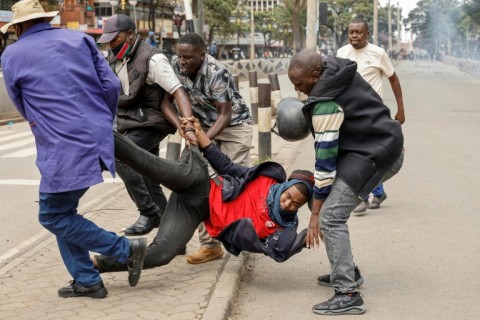
Kenyan rights group Vocal Africa denounced "the use of lethal force by law enforcement".
The government's treasury and economic planning minister John Mbadi said the strike was "completely uncalled for".
"This is a war that we have not caused," he told the NTV broadcaster on Monday.
Critics argue that Kenya has high taxes on fuel that could be reduced, although it is also reliant on them to service mountains of debt and a strained budget.
A day of protests such as Monday's can cost Kenya's economy around 50 billion shillings ($390 million) a day, economist XN Iraki told AFP.
The energy regulator said last week that the government had spent $38.5 million to cushion consumers from rising diesel and kerosene prices.
Last month, Kenyan authorities also suspended fuel quality standards to maintain supply in the face of shortages.
While Kenya is among east Africa's most dynamic economies, around a third of its 50 million citizens still live in poverty.
- AFP