

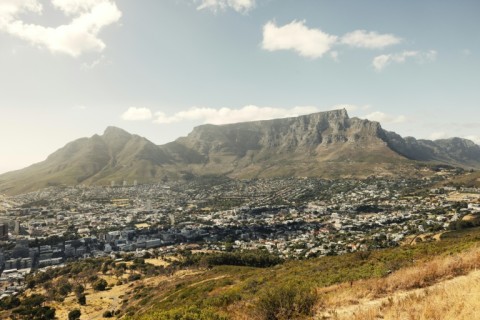
CAPE TOWN - Nestled between spectacular mountains and the Atlantic Ocean, Cape Town is a growing tourism destination, topping the Telegraph and Time Out magazine's 2025 rankings of best cities in the world.
It has more short-term rental units than bigger cities such as Barcelona and Berlin, which see up to five times more visitors per year, said Jens Horber from the housing activism group, Ndifuna Ukwazi.
Accommodation in the CBD area is listed as starting at around R10,000 a month for a one-room flat.
Airbnbs nearby -- many around the popular District Six Museum dealing with the apartheid-era forced removals of non-white communities to remote and underdeveloped townships -- average around R1,500 a night.
In touristy locations like the city centre and the Atlantic seafront, Airbnb listings have increased by 190 percent since 2022, Horber said.
"Long-term rental units have been converted into tourist accommodation, removing units from the housing supply, raising rental costs and pushing out locals from neighbourhoods where they can no longer afford to live," he said.
According to the Inside Airbnb data project, Cape Town counted more than 26,870 listings on the platform, among the highest in the world and surpassing cities such as Washington DC, Sydney, Toronto, Chicago and Hong Kong.
More than 60 percent of the city's Airbnb hosts have multiple listings, it says.
"These hotel-like entities are operating without licences, restrictions, or limits in residentially zoned areas," said Wits University urban researcher Sarita Pillay Gonzalez, calling for better regulation.
Amsterdam, Barcelona and New York, for example, have imposed stricter Airbnb rules, including caps on annual rental days.
University of Waterloo researcher Cloe St-Hilaire estimated that Cape Town as a whole has lost 1.5 percent of its housing to Airbnbs, most of which are concentrated in only a few areas of the starkly unequal city.
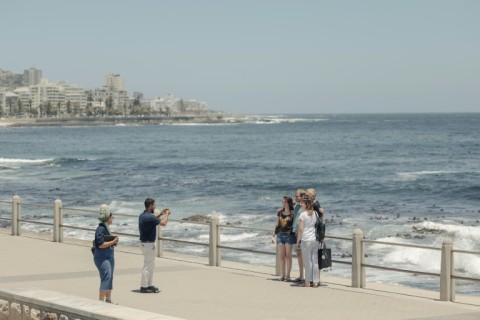
The figure rose to 26 percent in Sea Point, a magnet for tourists over the December summer holidays, she said.
For city official Luthando Tyhalibongo, Cape Town's "housing stress is not foreign-made, investor-made, or Airbnb-made ... It is supply-made".
Cape Town's population was more than 4.7 million in 2022, according to census data, nearly 28 percent up from 2011.
"When a city grows, its housing stock must grow with it," Tyhalibongo told AFP.