
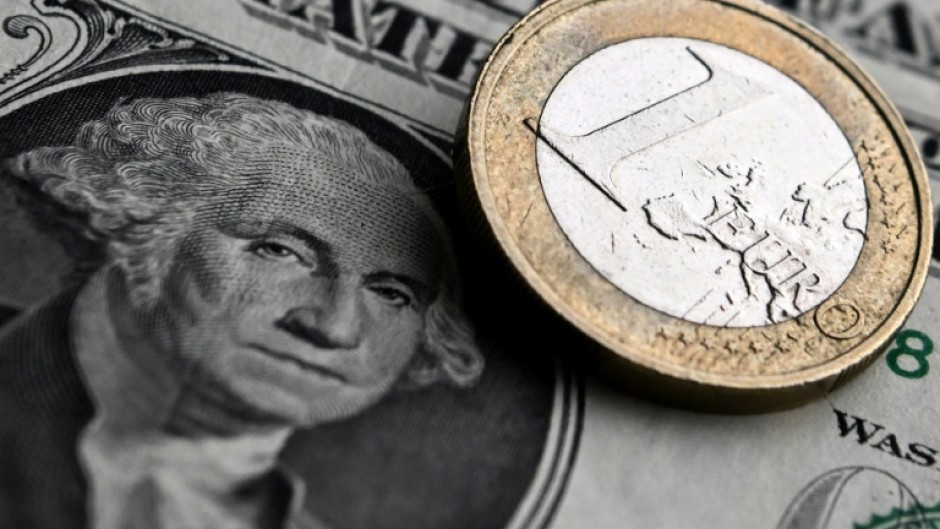
HONG KONG - The dollar fell in Asian trade on Monday amid speculation US officials could join their Japanese counterparts to help support the yen after a recent sell-off, while equities started the week on a tepid note.
Reports that the Federal Reserve Bank of New York had checked in with traders about the yen's exchange rate sparked a surge in the Japanese currency, according to Bloomberg, pushing it up more than one percent to 153.89 per dollar -- its strongest level since November.
The yen has been sliding amid worries about Japan's fiscal position, the central bank's decision not to hike interest rates further and expectations that the US Fed will hold off cutting its own borrowing costs this week.
The last time Japanese authorities stepped in to support their unit was in 2024 when it hit 160 to the greenback.
The prospect of authorities stepping into financial markets saw the dollar retreat across the board, with the euro, pound and South Korean won also well up while the Singapore dollar hit an 11-year high.
That in turn sent gold prices surging almost two percent and past $5,000 for the first time.
Talk of joint intervention was fanned Monday by top currency chief Atsushi Mimura, who said Tokyo "will continue responding appropriately against FX moves, working closely with US authorities as needed, in line with the joint statement issued by the Japanese and US finance ministers last September".
His remarks came a day after Japanese Prime Minister Sanae Takaichi warned: "We will take all necessary measures to address speculative and highly abnormal movements."
The weakening dollar helped send gold to a peak of $5,088.52 per ounce. Silver broke $100 Friday and spiked above $108 this week.
The precious metals have been hitting multiple records of late owing to a rush into safe havens by traders spooked by rising geopolitical concerns, including Donald Trump's intervention in Venezuela and a recent warning to Iran.
Strong central bank demand and elevated inflation have added to the mix, along with fresh worries of another US government shutdown.