
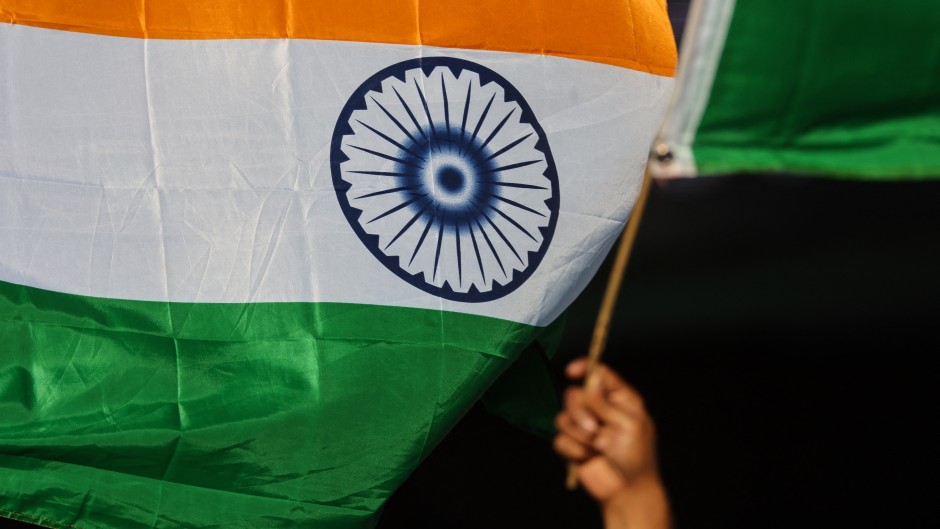
MUMBAI - India sees the G20 in South Africa as more than a diplomatic gathering; it is a civilisational moment where two major democracies of the Global South can reshape the grammar of global governance.
After India reoriented the G20 conversation around “One Earth, One Family, One Future”, South Africa now has the opportunity to carry that vision into a new phase of Global South 2.0, where equity is not an appeal but a principle.
India’s foremost priority will be to push for financial justice in a world still structured around historic asymmetries.
For both India and South Africa, development space must become a sovereign right, not a negotiated privilege.
India is likely to argue for a profound restructuring of global debt frameworks, cheaper and fairer access to capital, and expanded African and Asian representation in decision-making bodies that still carry a 20th-century architecture.
Climate action will follow the same moral trajectory. India will insist that a just energy transition cannot come at the cost of the world’s poor.
An energy roadmap must work for Soweto and Surat alike - rooted in affordable technology, predictable climate finance, and a genuine recognition of climate responsibility by advanced economies.
India and South Africa speak in one voice on this: no nation should be punished for pursuing development.
A powerful area of convergence will be Digital Public Infrastructure (DPI). India’s success with its UPI (Unified Payments Interface), digital identity, and open fintech architectures provides a new model: that digital rails can be for public good instead of corporate monopolies.
This G20 offers an unprecedented chance to co-create an “Africa Stack”, tailored, sovereign, and built to empower millions.
India will also emphasise food systems resilience, sustainable agriculture, and the need for shock-proof global supply chains.
In a fragmented world, hunger cannot be allowed to spread because fertiliser prices spiked in one region, or a conflict disrupted another.
Above all, India will strongly support South Africa’s effort to reimagine and democratise multilateralism.
Having long argued for reforms in global institutions, India sees an African G20 as the right platform to place Africa at the centre of global decision-making - not symbolically, but structurally.
What binds India and South Africa today is not only shared history but shared purpose. Both nations understand that dignity in development, fairness in finance, and the moral authority of emerging democracies must shape the next era of global cooperation.
If this G20 can translate that shared purpose into concrete frameworks - in finance, climate, digital inclusion, and governance - it may well become one of the most transformative summits of the decade.
- Monica B. Sood, Socio-Economic Analyst, State Convenor for BJP Chandigarh’s Intellectual Cell, CEO of Navjivan Group