
JOHANNESBURG - "I'm helpless, and I don't know what we're going to do this season."
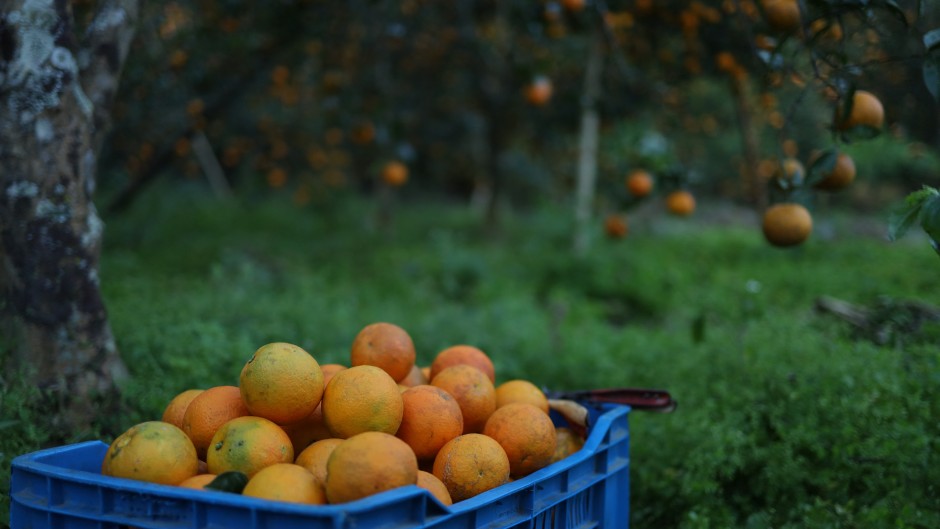
These are the words of one Limpopo citrus farmer after floods ravaged his orange and lemon groves.
Limpopo is the undisputed heartland of South Africa’s citrus production, but since January, the province has been battered by a wave of flooding that has left the industry reeling.
The timing could not be worse.
For local growers, the period between September and February is the "critical growth window" -- the precise time when water, nutrients, and weather determine the final yield.
Instead of a steady summer sun, the trees have been drowned.
"Our busiest time of the year is the winter period because people reach for citrus to get that extra Vitamin C to protect them from flu," the farmer explained.
"We have specific clients we have to supply, but right now, I just don't know what we're going to do."
The farmer said that while rain is usually a blessing, the sheer volume of water has turned the soil into a graveyard for delicate roots.
Trees under such extreme stress produce fewer, smaller fruits, and the overall quality is expected to plummet.
"Smaller fruits essentially mean we won't get our asking price at the market," the farmer warns.
With profits down, farmers must still find the money to pay workers and repair flood-damaged fields.
Replacement costs are also very high.
"Young trees cost between R250 and R400, while mature, fruit-bearing trees can fetch up to R2,000 each.
"If you look at the bigger picture, it’s going to cost me a pretty penny to replace the damaged trees," he added grimly.
"And planting new trees doesn't guarantee the same amount of crops. We are starting from scratch."