
PHILADELPHIA - Even before winter started, consumer advocates sounded the alarm on higher heating costs in light of torrid electricity demand growth and costly revamps of pipes and other infrastructure that have led to utility rate hikes.
US households are expected to spend $995 on heating this winter, an increase of 9.2 percent from last year, according to a December forecast from the National Energy Assistance Directors Association (NEADA).
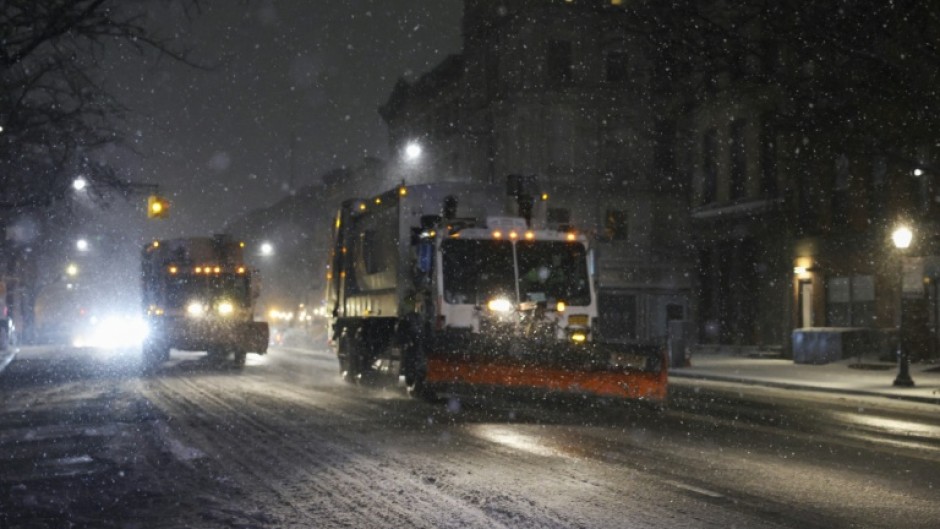
Of course, the final tally will depend on the weather. So far, the 2025-26 season has been a bear in Philadelphia, with forecasts of an arctic blast and a potential blizzard expected to boost usage further.
Through mid-January, the average temperature in Philadelphia was 36.2, the sixth coldest since the year 2000 and about six degrees colder than the winter of 2023-24, said Chad Merrill, a meteorologist at Accuweather.
Pennsylvania bars utilities from shutting off low-income consumers during the winter months. But consumers who fall behind can face a shutoff once the moratorium ends at the end of March.
"It catches up to you," Luz Laboy, who assists low-income consumers through a maze of assistance programs, said of consumers who don't pay winter bills. She works at Hunting Park Neighborhood Advisory Committee, an NGO in North Philadelphia.
Qualifying consumers are eligible for federal assistance through the US Low Income Home Energy Assistance Program (LIHEAP), which pays an annual stipend, as well as crisis funding that provides grants of up to $1,000.
Other Pennsylvania programs allow consumers with large balances to establish a monthly payment plan or to apply to repair broken radiators.
Laboy said this winter's number of applicants for LIHEAP is about the same as last year, but the process has been more fraught.
"It is a lot more stressful this year," said Laboy, noting the program was delayed by the US government shutdown.