
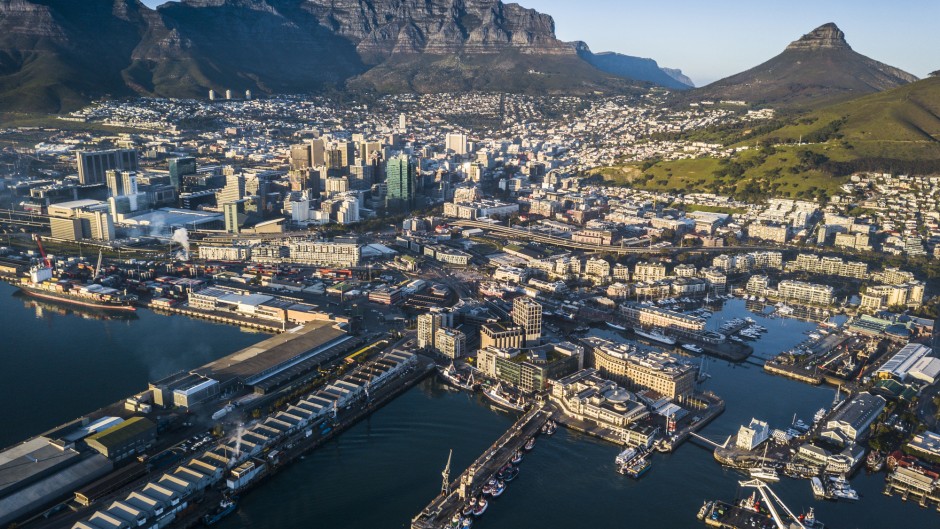
CAPE TOWN - As conflict in the Middle East escalates and shipping routes come under threat, South Africa's ports are in a far stronger position than they were two years ago.
On Monday, Iran shut down the Strait of Hormuz, warning it would fire at any vessel passing through the strategic waterway.
The Gulf route handles roughly a fifth of the world’s crude oil supply, raising concerns that ships may be diverted away from traditional Suez Canal routes and around the Cape of Good Hope.
Against that backdrop, the Transnet National Ports Authority (TNPA) says South Africa’s commercial ports are ready to handle any vessels rerouted due to the conflict.
READ: Maersk suspends vessel transit through Strait of Hormuz
The authority says it has not yet seen a spike in demand or received additional berthing requests at the Port of Cape Town.
However, it stands ready to redeploy tugboats and pilot boats should volumes increase. TNPA says it is monitoring developments closely and working with shipping firms and other maritime authorities.
Economist Jan Havenga says the timing is significant, as South Africa’s transport and logistics network has undergone measurable improvements since 2023.
That year, President Cyril Ramaphosa established the National Logistics Crisis Committee, aimed at stabilising and reforming the freight system.
Havenga says bulk export lines have since been turned around, and investment is beginning to show returns.
He adds that opening rail lines to private train operators and allowing companies access to the rail network has helped revive the sector and ease pressure on ports.
“There are a lot of things that have improved as far as the ports are concerned,” Havenga says, noting measurable gains in performance and coordination.
However, challenges remain.
READ: Transnet ready for rerouted ships after Strait of Hormuz closure
While Durban’s port operations have strengthened, Cape Town has faced setbacks due to extreme weather.
“We have had the windiest summer in Cape Town in 50 years,” Havenga says, explaining that high winds disrupt berthing, crane operations and dry dock work.
To mitigate the impact, TNPA has introduced measures, including new hydraulic shore tension units to enable safer berthing during strong winds.
Havenga says funds are being spent as promised and reform commitments are being honoured. But he cautions that general freight still requires further investment and support.