
MILAN - A series of investigations into exploitative work conditions within fashion subcontractors has roiled Italy's luxury industry, with the government decrying attacks on "Made in Italy".
Five fashion brands have been put under court administration since 2024 following probes by Milan prosecutors that uncovered worker abuses and a lack of oversight into the supply chains of some of Italy's most respected brands.
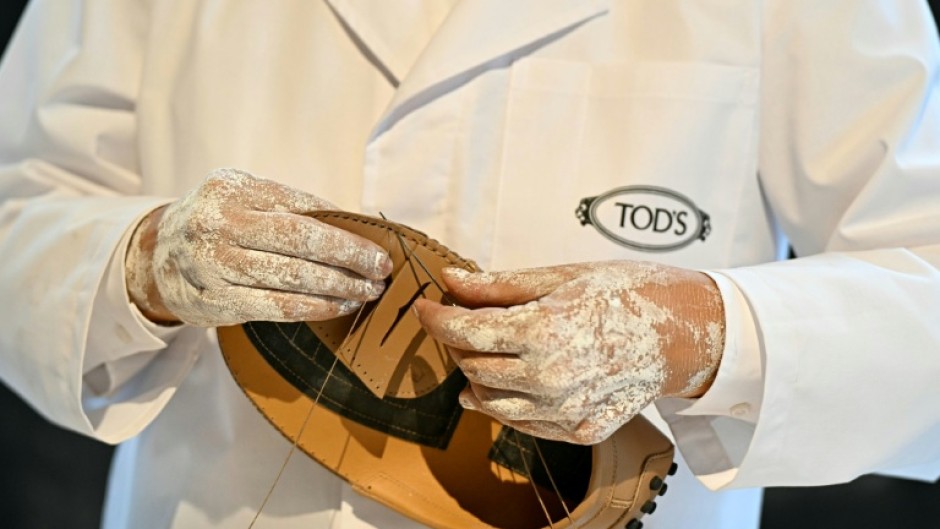
Most recently, lawyers for luxury leather company Tod's were due in a Milan court on Wednesday, where prosecutors want to impose a temporary advertising ban and outside administrators in light of what they have called "malicious" actions by the company.
The investigations led by prosecutor Paolo Storari have cast a spotlight on the dark underside of the luxury industry.
At issue is the near-ubiquitous practice of brands subcontracting work to suppliers, who in turn contract to others, amid ever-tighter margins and scant oversight of labour conditions.
To date, investigations have targeted Loro Piana, Dior's Italian subsidiary Manufactures Dior, Giorgio Armani Operations and Alviero Martini -- and prosecutors have suggested more probes could come.
Italy's government has gone on the offensive, with Industry Minister Adolfo Urso saying the reputation of Italian brands was "under attack".
It has proposed a certificate for luxury companies to show they are in compliance with current law -- a measure critics have called toothless, in part because it is voluntary and would unduly shield brands from liability.
"We are taking concrete measures to firmly defend Italian fashion, to protect its reputation and the values that have made it synonymous with beauty, quality and authenticity," Urso said in October.
Prosecutors last month said Tod's -- whose leather loafers can reach over $1,000 -- and three of its executives had "full awareness" of the exploitation of Chinese subcontractors but failed to set up systems to prevent it.
Tod's allegedly ignored its own audits, revealing working hours and wage violations -- with workers paid as little as 2.75 euros per hour -- breaches of safety measures and what prosecutors called "degrading" sleeping areas within the factory.
Under Italian law, companies can be held responsible for offences committed by representatives -- such as approved suppliers -- acting in their interest.
Advocates for fashion industry workers have for decades pointed to widespread abuses in the supply chain.
Suppliers "are at the mercy of big brands that impose commercial conditions, starting with prices that are too low to cover all costs", said Deborah Lucchetti, national coordinator of the Clean Clothes Campaign in Italy.
That, in turn, fuels a system in which first-tier suppliers turn to subcontractors, imposing ever more stringent terms, which leads to labour abuses, most often against migrants.
"It's a chain of exploitation," she told AFP.