
LONDON - Eight key members of the OPEC+ alliance said they have agreed to again boost oil production, in a strategy analysts saw as a bid to gain a bigger market share of crude sales.
Oil ministers in the V8 grouping -- comprising Saudi Arabia, Russia, Iraq, the United Arab Emirates, Kuwait, Kazakhstan, Algeria and Oman -- decided to increase production by 137,000 barrels a day (bpd) from next month, they said in a statement.
Those countries had already increased production by 2.2 million bpd in recent months.
In their statement issued after an online meeting on Sunday, they said that the new incoming cycle could see up to an extra 1.65 million bpd eventually coming onto the market.
"OPEC+ caught the market off guard today -- instead of pausing, the group signalled ambition with a production hike. The barrels may be small, but the message is big," said Jorge Leon, an analyst at Rystad Energy.
"OPEC+ is prioritising market share even if it risks softer prices," he said.
Oil prices are currently hovering around $65-70 per barrel, having tumbled 12 percent this year as global producers outside OPEC+ ramp up supply and tariffs curb demand.
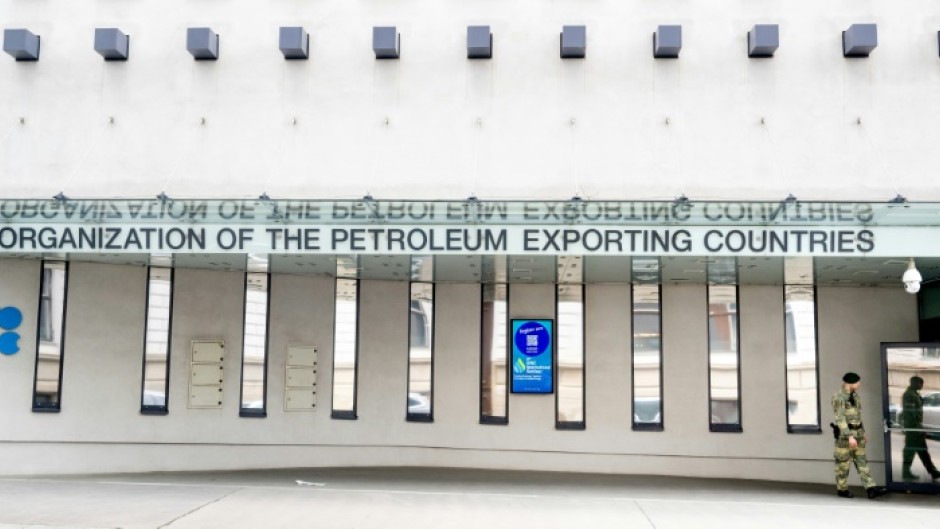
OPEC+ -- which comprises the 12-nation Organization of the Petroleum Exporting Countries (OPEC) and its allies -- had in recent years seen through several output cuts amounting to a total of almost six million bpd.
Analysts, up to a week ago, had been saying the V8 was likely to maintain their current output levels in October.
By raising them, even by a relatively modest 137,000 bpd, the V8 instead indicated that OPEC+ was willing to weather prices falling below $60 a barrel if it meant regaining market share.
Leon said: "In reality, the actual production boost will be far smaller, given capacity limits and the compensation mechanism. But perception often matters more than physical barrels."
Still, he said, "the move raises questions about unity: countries like Russia depend on high prices to fund their war machine, while others are willing to test lower prices for market share".