
JOHANNESBURG - Working on the Task Force has been an incredible exercise in realism and hope.
Bringing together South African and global minds, we tackled urgent challenges in infrastructure development and inclusive finance.
The process was rigorous but collaborative, shaped by a desire to move from talk to outcomes. It was also a window into how such forums are run and why their outputs matter for daily life.
South Africans should know that we wanted to use South Africa's G20 leadership, aligned with its core themes of Solidarity, Equality, and Sustainability, to ensure global policies work for our country and continent.
As part of the team, I came into the discussion with a mindset that infrastructure affects people, not just financial numbers.
The task force saw that, for example, when we lack power or transport systems, it creates severe constraints on business growth that ripple across the economic system.
Fixing Africa's infrastructure problems isn't just about policy; it's essential for growth. Good infrastructure, like roads and electricity, will turn Africa's young population into a driving force for economic progress.
While Africa has the people and potential to drive global growth, the lack of access to basic services holds them all back. Without proper roads, power and internet, it's hard for businesses to grow and for young people to succeed.
The most eye-opening fact our task force discovered was that almost all infrastructure projects in Africa fail before they even start. Out of every ten planned projects, only one gets funded. That’s a 90% drop-off rate from initiation to the conclusion. This happens very early on, making it hard for projects to attract investors.
It was clear to us on the FITF that collaborative efforts, especially in de-risking investments, were key: neither government nor private investors can act alone, and each has a different yet essential role.
To attract big investors, we need to challenge the rules for assessing risk and ensure they fairly reflect the projects' risk based on their fundamentals.
Current models overestimate risk on African projects relative to their actual levels because rating agencies rely heavily on the country’s overall rating, even when the project is financially strong and well-managed.
This means good projects often can't get the money they need because of the broader concerns about the country or region.
This outdated thinking needs to change. Each project should be judged on its own merits, using clear information. This shift would unlock more investment for Africa by showing that many projects are safe and worth funding, even in challenging environments.
The most important aspect of our work was not only developing recommendations but also putting in place the guidelines for implementing them.
The task force recognised that without strong leadership and local engagement, any plan would remain just words on paper.
We understood that we don't need to overhaul everything to achieve progress; we can make targeted improvements where they are most needed.
For ordinary people, this means that even minor improvements, such as reducing the project failure rate from 90% to 60%, can quickly lead to more roads, clinics, power supply, and an overall better quality of life.
One important concept is to form an accountability group that can ensure the recommendations from G20 are well organised and ensure that all stakeholders follow through on their commitments.
This can be done by establishing clear goals through Key Performance Indicators. KPIs help convert political promises into measurable actions.
For instance, by making the goal of reducing the 90% project failure rate a public KPI, we can ensure everyone collaborates and focuses on achieving results rather than just discussing them. This setup lets ordinary South Africans see how well the government and private sector are keeping their B20 promises.
The B20 FITF’s significance lies in providing a roadmap for governments and businesses to break down barriers so that good projects can become life-changing infrastructure, bringing real improvements in people's lives.
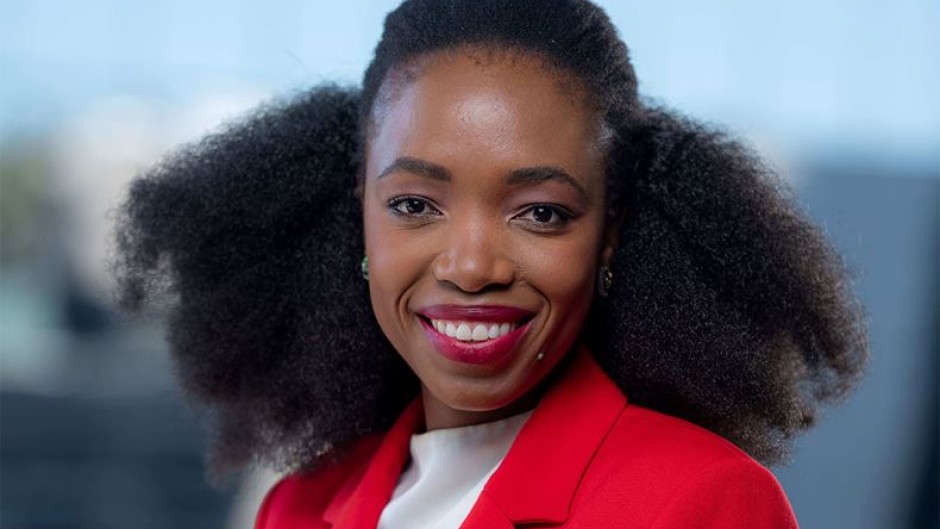
- Lorraine Mekwa is the managing executive of client experience at Sanlam Corporate and a member of the B20 Finance and Infrastructure Taskforce (FITF).