
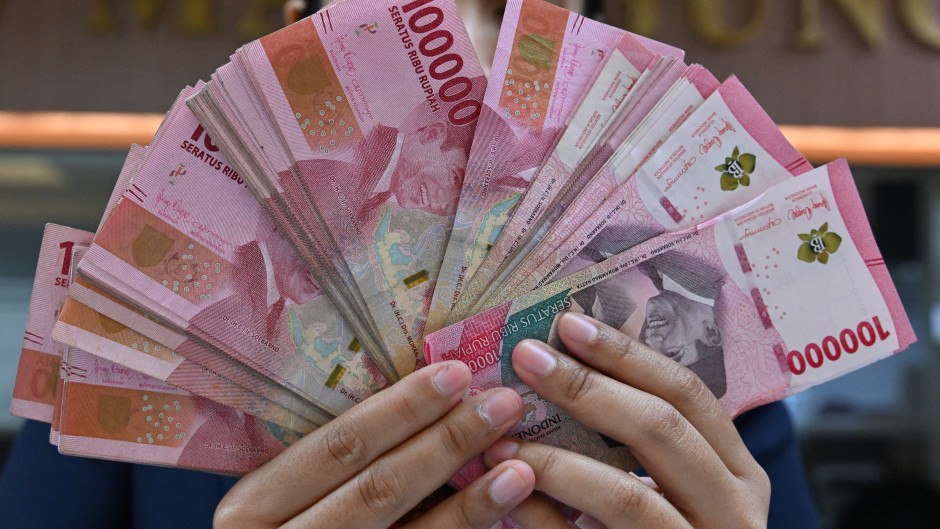
Indonesia is Southeast Asia’s largest economy and the world’s fourth-most populous nation.
Known for its vast natural resources, dynamic manufacturing base, and rapidly growing digital economy, the country has become a critical voice among emerging markets.
G20 HISTORY:
Indonesia has been an active participant in the G20 since the group’s founding in 1999.
Its first summit participation came in 2008, during the global financial crisis, highlighting the nation’s growing influence as an emerging-market economy.
In 2022, Indonesia hosted the G20 Summit in Bali, championing energy transition, digital transformation, and inclusive growth, and elevating the voice of developing countries.
Jakarta’s participation in this year’s summit continues that legacy, emphasising trade, climate action, and investment in green technologies.
ECONOMY:
Indonesia has maintained steady growth despite global challenges.
The Organization for Economic Cooperation and Development projections forecast GDP growth at 4.7% in 2025 and 4.8% in 2026. The World Bank estimates an average 4.8% growth from 2025 to 2027. The IMF also forecasts 4.8% for 2025. These figures fall slightly below the government’s more ambitious 5% target.
Unemployment is stable at around 5%, though youth unemployment remains a challenge.
Inflation has been contained between 2–3%, giving policymakers room to manage interest rates without derailing growth.
A 2025 trade deal with the US reduced tariffs on Indonesian exports from 32% to 19%, boosting textiles, footwear, and manufactured goods while softening pressure on the labour market.
KEY SECTORS:
At the core of its economic momentum are three sectors shaping its trajectory: natural resources, the digital economy, and energy transition.
Natural Resources – The Bedrock of Growth
Indonesia’s mineral wealth remains central to its economy. Nickel and other critical minerals are driving the global electric vehicle supply chain, while palm oil and coal continue to anchor exports. These resources provide not only revenue but also bargaining power in global trade.
Digital Economy – Asia’s Rising Tech Hub
The digital economy is booming, projected to reach $146 billion by 2025.
Internet penetration is near 80%, and financial inclusion now covers over 83% of Indonesians.
E-commerce, fintech, and AI-powered services are reshaping daily life, making Indonesia a magnet for regional tech investment.
Energy Transition – From Coal to Clean Ambition
Coal still dominates Indonesia’s power grid, but the shift to renewables is gaining pace.
A $10-billion deal with Singapore and World Bank-backed projects are funding solar, storage, and green hydrogen. If successful, this pivot will transform Indonesia into a leader in Asia’s green economy.
FUN FACTS ABOUT INDONESIA
- Volcanic Giant: Indonesia has the third most volcanoes in the world, with over 120 active volcanoes. The country sits on the Pacific “Ring of Fire,” making it one of the most seismically active regions on Earth.
- A Nation of Islands: Indonesia is made up of more than 17,000 islands, stretching over 5,000 kilometres from west to east. That’s roughly the distance from London to New York.
- Indonesia holds the top spot as the world’s largest palm oil producer, a cornerstone of its economy but also has environmental drawbacks.
- It has the largest Muslim population of any country, with over 230 million Muslims but it is also incredibly diverse, with significant Christian, Hindu, Buddhist, and Indigenous communities.