
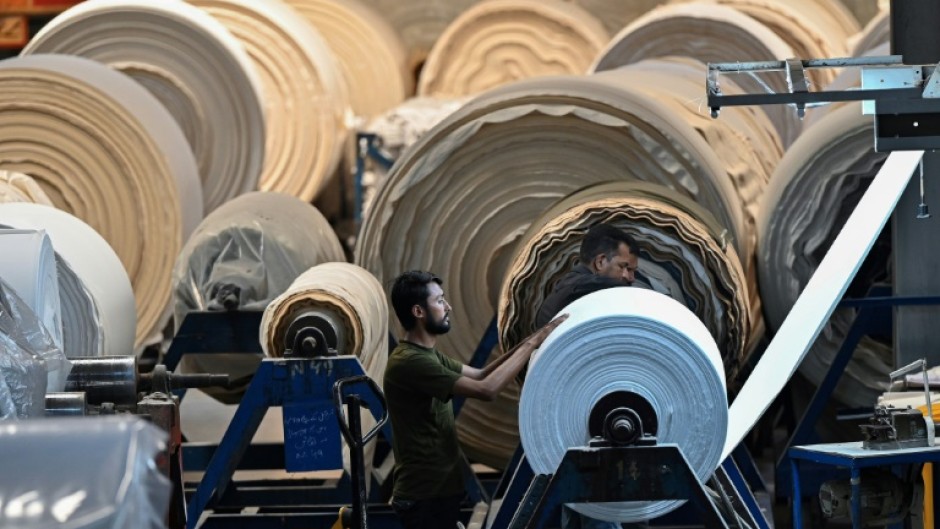
LAHORE - The Pakistan textile industry has seen it lose ground to more nimble Asian competitors.
Pakistan's industrial manufacturing sector -- like elsewhere in the world -- has suffered from the slowdown in global consumption and the rise in energy costs following the outbreak of war in Ukraine.
But the difficulties of the textile sector, which accounts for 60 percent of Pakistan's exports, are compounded by the critical state of the economy and months of political chaos.
In Pakistan, the industry was buoyed at the tail end of the coronavirus pandemic, when it was freed of restrictions earlier than regional rivals India and Bangladesh and benefited from government financial aid, including slashed energy rates.
In 2022-2023, however, textile exports fell by 15 percent to $16.5-billion.
The textile and clothing sector employs around 40 percent of the country's 20 million-strong industrial workforce.
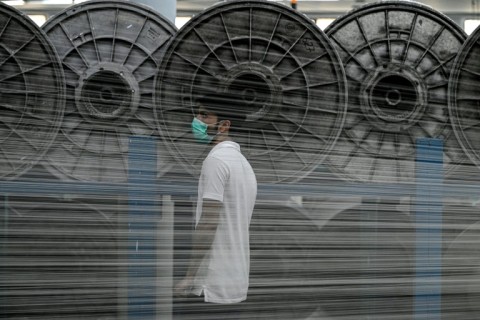
The main export markets are the US, EU, the UK, Turkey, and the UAE, supplying cotton fabrics, knitwear, bed linen, towels, and ready-made garments to global brands such as Zara, H&M, Adidas, John Lewis, Target and Macy's.
But many factories have closed in recent months -- at least temporarily -- or are no longer running at full capacity.
After devastating floods in the summer of 2022, cotton production in Pakistan fell to an all-time low.
The textile industry was unable to compensate by buying from abroad because of a freeze on imports imposed by the government to preserve its forex reserves.
Thousands of containers filled with raw materials and machinery essential for the country's industries were held up for months in the southern port of Karachi.
Textile companies also saw the cost of capital rise significantly, contending with interest rates of more than 20 percent as the central bank sought to curb record-breaking inflation.