
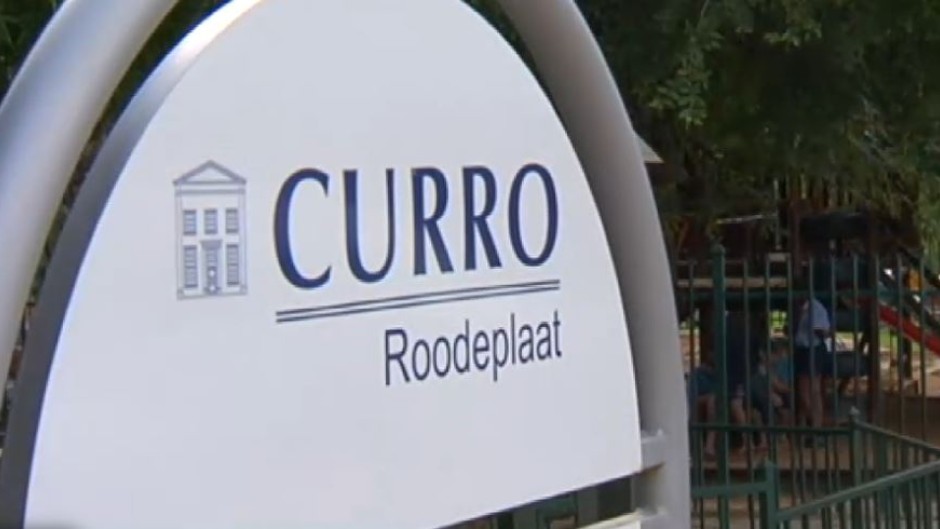
JOHANNESBURG - The Jannie Mouton Foundation has announced a R7.2 billion plan to acquire Curro Holdings, South Africa’s largest private school group.
Should the transaction be successful, Curro may shift from a listed company to a non-profit public benefit organisation.
Curro currently operates 189 schools, educating around 72,000 pupils countrywide. Should the acquisition succeed, the Foundation has committed to funding full bursaries for pupils from low-income households. These bursaries will cover school fees and related education costs, expanding access to independent schooling for underprivileged children.
'This is an opportunity to do something big. Curro is a well-run group with 189 schools. After the transaction, there will be no shareholders - all profits will be reinvested into expanding access and improving educational quality' Jan Mouton from the Jannie Mouton Foundation said.
The proposed restructuring means that profits Curro generates will no longer be distributed to shareholders but will be reinvested into the organisation. This will enable Curro to build schools in under-served areas, enhance facilities, and increase bursary funding, helping to close gaps in access and quality that have long plagued the sector.
'Decisions will no longer be based on shareholder returns but on whether they improve the learner experience. Education quality will take priority over profit' Mouton said.
Curro CEO, Cobus Loubser, acknowledges the pressures facing families and schools alike. Despite economic strains, Curro has maintained solid enrolment numbers, welcoming 15,000 new pupils this year.
'Families are making sacrifices, and we are committed to keeping education affordable while maintaining quality,' Loubser explained.
The Jannie Mouton Foundation’s vision for Curro is one where education quality takes precedence over profit.
'Our focus is on improving pupil experiences and outcomes, not shareholder returns,' Mouton said.
'By transforming Curro into a non-profit, we aim to create a sustainable model that benefits pupils, communities, and the broader education landscape'.
As private education in South Africa faces both fiscal pressure and structural change, this landmark acquisition could redefine the role of independent schooling - shifting from profit to purpose, and placing thousands of more pupils within reach of quality education.