
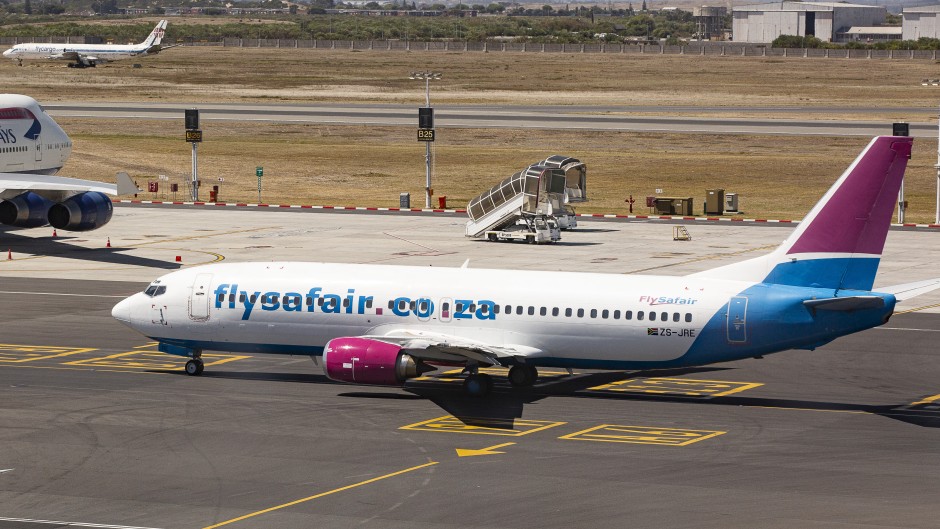
JOHANNESBURG - FlySafair, South Africa's biggest carrier, said it will add a surcharge to airline tickets from 12 March.
The airline confirmed on Tuesday that the price of jet fuel at South African airports rose by around 70 percent in just a week as global oil prices surged.
What does this mean for the passenger?
FlySafair said the exact cost of the surcharge is yet to be released, but it will depend on the length of the flight.
- If you have already booked your flight ticket, it is important to note that the fare will remain unchanged, and the fuel surcharge will not be added retrospectively.
- If you booked on Wednesday, a day before the implementation of the temporary surcharge, surcharges will be shown as a separate line item on all flights departing on or before 12 May 2026.
- If you change an existing flight, the surcharge will apply if the new flight departs on or before 12 May 2026.
But why the changes now?
According to FlySafair, the airline has absorbed steep fuel cost increases since the Middle East crisis erupted on 28 February, in an effort to shield passengers from immediate airfare hikes.
Because of the jet fuel increase, the airline was placed in a tight spot to act.
This meant having to pass on a portion of these costs to ensure the long-term sustainability of the airline and its low-fare offering.
FlySafair made it clear that it has never implemented a fuel surcharge before.
Unlike many carriers globally, the airline has historically kept pricing as straightforward as possible and avoided passing through fuel volatility to customers.
But the impact on fuel prices has been immediate and severe.
It is temporary
While this is not good news for passengers intending to fly, FlySafair has made it clear that the surcharge is strictly temporary and will be removed as soon as feasible.
In the meantime, the airline said the surcharge will be reviewed frequently based on Jet A1 fuel price movement and once the market condition improves it will be reduced or removed once market conditions improve.