
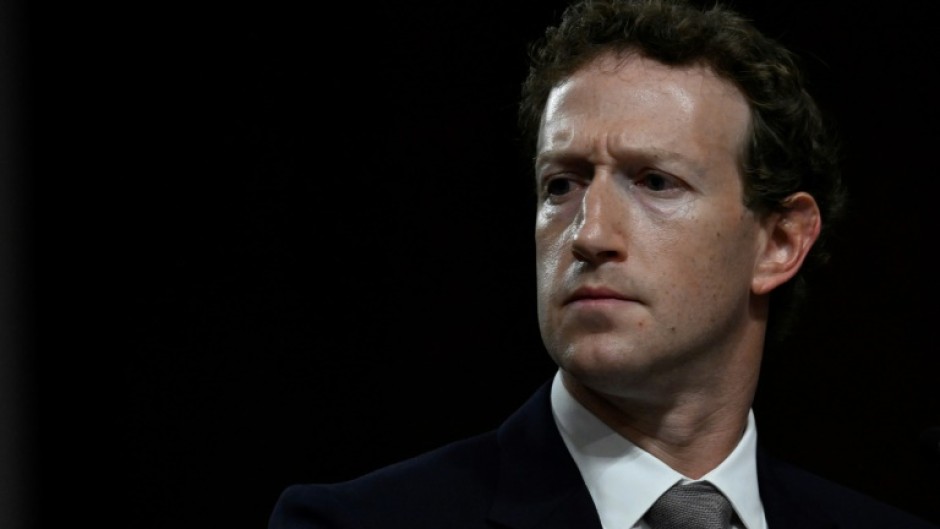
WASHINGTON - Meta chief executive Mark Zuckerberg denied in court that his company bought rival services Instagram and WhatsApp to neutralise them, as his testimony in a landmark antitrust case came to a close.
The case could see the Facebook owner forced to divest itself of the two apps, which have grown into global powerhouses since their buyouts.
During his third and final day on the stand in a federal courtroom in Washington, Zuckerberg took aim at the Federal Trade Commission's main argument -- that Facebook, since renamed Meta, devoured what it saw as competitive threats.
The co-founder of Facebook responded "No" when asked by Meta attorney Mark Hansen if his intent was to eliminate rivals with the purchases of photo sharing app Instagram and messaging service WhatsApp.
He explained that Instagram, purchased in 2012, was attractive for "its camera and photo sharing experience" but added that he "didn't view it as a broad network really competitive with where we were."
As for WhatsApp, bought two years later, Zuckerberg testified that he saw the app as technically impressive but its founders as "unambitious" in terms of "maximising the impact that they could potentially have."
"I basically ended up pushing to add things," he told the court.
Zuckerberg testified that Facebook put its scale and resources to work building Instagram and WhatsApp into apps now used by billions of people.
Former Meta chief operating officer Sheryl Sandberg testified after Zuckerberg, echoing much of what he told the court.
Meta has had to take on an array of rivals including internet colossus Google as internet competition has become increasingly competitive, according to Sandberg.
"Every time you go on your computer or phone, you have a choice of what you spend your time on," Sandberg said.
"That's what all these producers are competing for: your time and attention."