
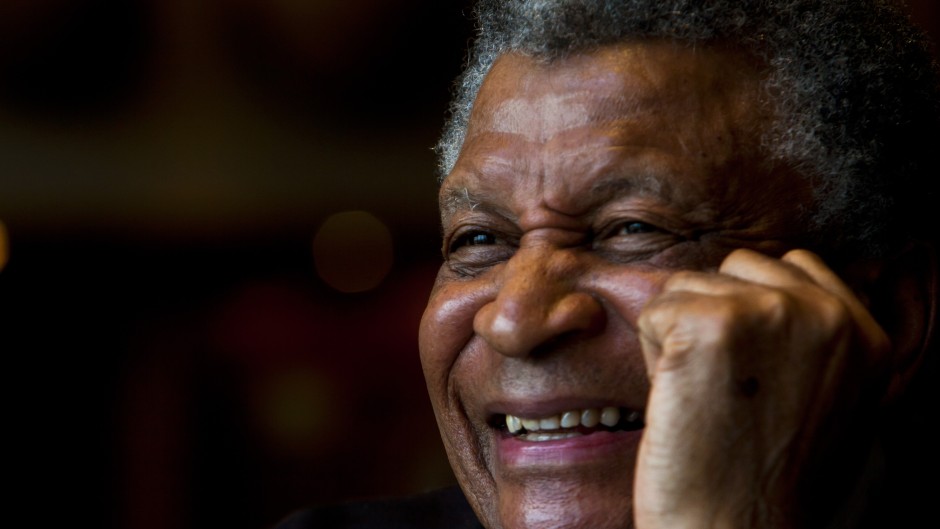
JOHANNESBURG - Tributes continue to pour in for jazz legend Abdullah Ibrahim.
Many have reflected on the depth of his musical legacy and the way his work captured the social and cultural evolution of South Africa.
Ibrahim died in Germany on Monday after a short illness, aged 91. He will be buried in the town where he lived in the Bavarian region of Germany.
From the harsh realities of apartheid to the hope and complexity of the democratic era, Ibrahim's compositions have been remembered as both historical testimony and artistic celebration.
In a statement on Monday, President Cyril Ramaphosa said Ibrahim's music, "projected his spirituality and contemplative practice of martial arts."
Ramaphosa said:
"Today our nation mourns the passing of an international icon and global citizen whose profound creations honoured the South Africa that shaped his political commitment and musical brilliance."
Sipho Sithole, award-winning music producer said Ibrahim's death came as a shock.
"I know him as Dollar Brand before he actually changed his name in 1968. When we grew up in the township, we had this big album which was the African market and of course the song Mannenberg, which is the biggest song. It's a great loss to us, to world and to the jazz community."
Ike Phaahla, jazz music producer said Ibrahim left a lasting legacy.
ALSO READ | Life and times of world-renowned jazz pianist Abdullah Ibrahim
"He has emptied himself, he has given us a rich legacy of his works. We are going to miss his physical presence, but he will always be with us through the books that he wrote and the music he composed which youngsters can learn from. He was an incredible artist, comfortable in every sphere."
Jazz artist Billy Monama who worked with the global star shared the different sides of his character.
"We lost a composer, a cultural activist, an ambassador who continued to live and showcased South African music," Monama said.
"He was very strict. He never allowed photographers to come and take photos while the gig was on because he said they will make a noise. He also wanted audience to respect the music and come and listen to the music in silence."