
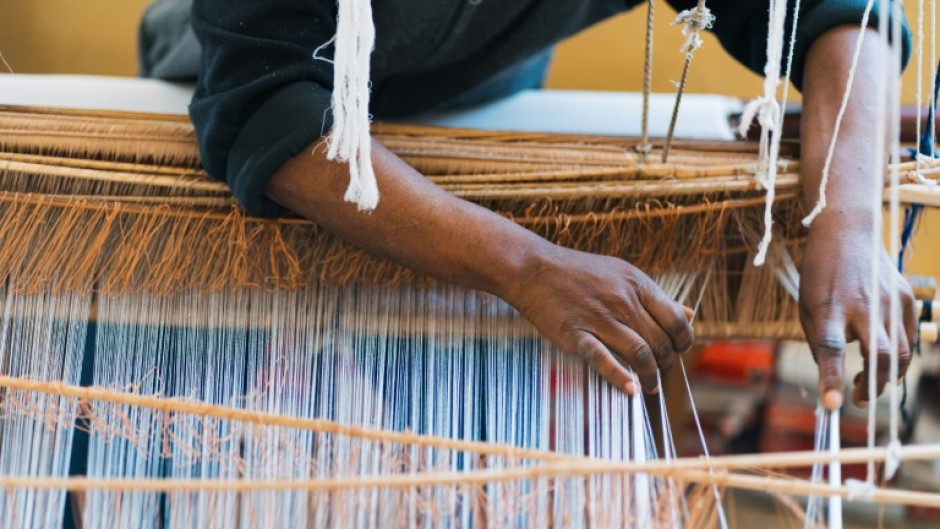
ADDIS ABABA - Behind the looms of a workshop in the heart of Addis Ababa, dozens of weavers deftly repeat the same motions to craft traditional dresses -- a centuries-old skill now threatened by Ethiopia's economic hardships.
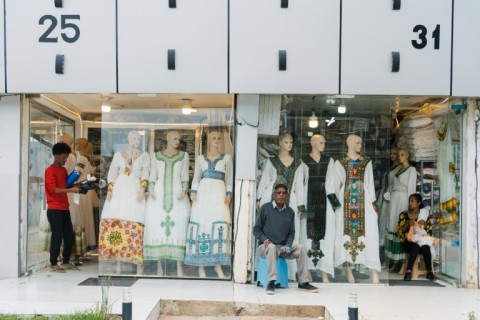
For generations, the "habesha kemis" -- long white cotton dresses often adorned with colourful embroidery -- have been handwoven. Their elaborate designs serve as attire for festivities and religious ceremonies.
It takes a week to weave the simplest dresses, and twice as long for those adorned with intricate embroidery -- a meticulous, painstaking craft, several artisans say in a workshop where the steady clink of looms fills the air.
"The work is exhausting... we live day by day," said Asefaw Yemu, 45, a weaver with three decades of experience who earns between 10,000 and 15,000 birr ($68–102) a month, before deducting the cost of raw materials.
In the dimly lit room, men hunch over their looms, shuttling cotton threads back and forth as their feet work a complex pedal system that never seems to rest.
Asefaw said he works nine hours a day, six days a week -- but with inflation hovering around 21.5 percent this year, according to the International Monetary Fund, demand has slowed sharply.
At the same workshop, Getu Derza carefully embroiders colourful silk threads into intricate patterns.
"What we produce with so much effort can now be made instantly by machines in factories... It affects our income," said Derza, who began the craft at the age of 14.
An influx of cheaper machine-made habesha kemis from China years ago undercut Ethiopia's traditional weavers. Government restrictions came too late for many, who had already turned to other jobs.
In this struggling economy, Derza said what was once a skill passed down from generation to generation now "ends with us".
At 23, Abush Dubule, the youngest among the weavers, is already considering a career change
"There's no future," he said. "The economy isn't what it used to be... it's not just Chinese products. People are buying less overall."