
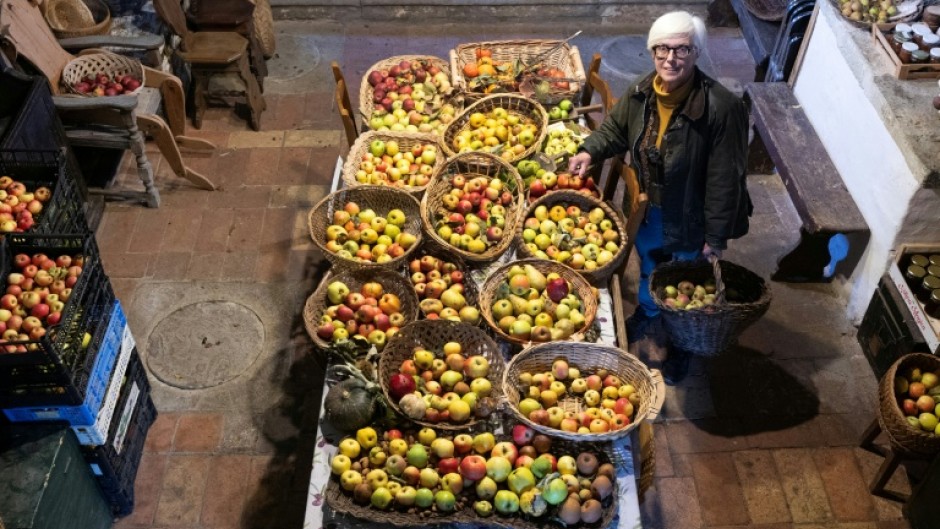
ROME - Isabella Dalla Ragione hunts in abandoned gardens and orchards for forgotten fruits, preserving Italy's agricultural heritage and saving varieties which could help farmers withstand the vagaries of a changing climate.
The 68-year-old's collection of apples, pears, cherries, plums, peaches and almonds, grown using methods of old, are more resilient to the climate shifts and extremes seen increasingly frequently in the southern Mediterranean.
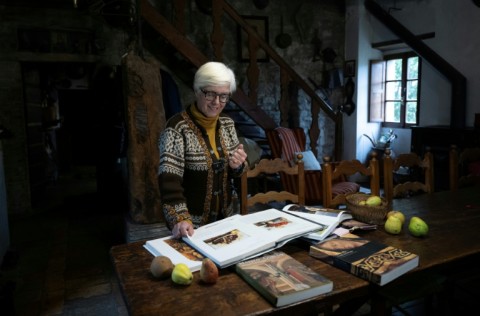
The Italian agronomist-turned-detective seeks descriptions of bygone local fruits in centuries-old diaries or farming documents, and sets out to find them.
Others she identifies by matching them to fruits in Renaissance paintings, where they often appear in depictions of the Madonna and Child.
Of the 150 or so varieties collected from Tuscany, Umbria, Emilia-Romagna and Marche and grown by her non-profit Archeologia Arborea foundation, the small, round Florentine pear is among Dalla Ragione's favourites.
While old varieties are flavoursome, most disappeared from markets and tables after the Second World War as Italy's agricultural system modernised.
Italy is a large fruit producer. Its pear production ranks first in Europe and third globally, but just five modern varieties, none of which are Italian, account for over 80 percent of its output.
Modern markets instead demand large crops of fruits that can be harvested quickly, easily stored and last a long time.
But as global warming makes for an increasingly challenging climate, experts say a broader range of plant genetic diversity is key.
"Heirloom varieties... are able to adapt to climate change, to more severe water shortages, to extremes of cold and heat," said Mario Marino, from the climate change division of the UN's Food and Agriculture Organization.
"However, a much more severe disease arrives, one that improved varieties are normally more resistant to... and the local varieties perish, or perhaps don't produce fruit," he told AFP.