
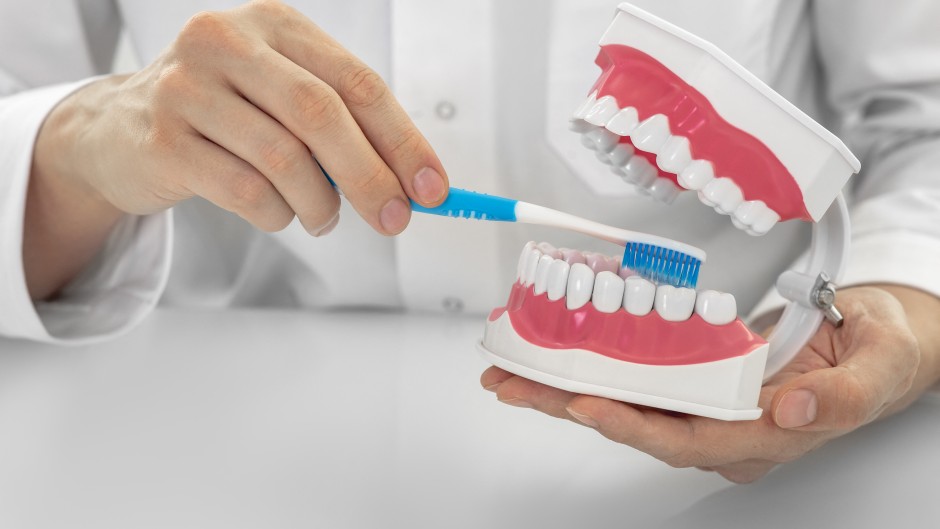
JOHANNESBURG - Oral health isn’t just about avoiding cavities: It’s a high-stakes window into your entire body.
The biggest mistake millions of us make every morning is the belief that the harder you scrub, the cleaner your teeth are.
"Patients often state that their teeth do not feel clean if they don’t apply significant force when brushing," said Dr Rahul Gathiram, dental director of Netcare Medicross.
"In fact, this will not remove any more plaque and can result in gingival recession, which is when the gums start moving away from the teeth, sensitivity and in some cases wear of the tooth enamel."
Gathiram said if your toothbrush bristles look frayed or flattened after just a month, you’re brushing too hard.
The golden rule? Use a soft-bristled brush and move in gentle, circular motions.

Daily habits for maintaining a healthy mouth
Gathiram advised that you should brush your teeth twice daily with gentle circular motions, making sure you clean all the surfaces of each tooth.
He warned that a toothbrush physically cannot reach the surfaces between your teeth, meaning if you aren’t flossing, you’re leaving 40 percent of your mouth uncleaned.
This can result in plaque build-up, leading to gum disease and cavities.
This is where the real trouble starts.
Recent scientific studies confirm that poor gum health is directly linked to cardiovascular disease (heart health), diabetes and adverse pregnancy outcomes.
"A healthy mouth supports a healthy body. In addition, it boosts confidence and makes it easier to smile and engage socially and professionally," Gathiram said.
"A happy mouth supports a better quality of life without pain and helps maintain your ability to speak clearly, chew properly, enjoy food and stay socially engaged."
Gathiram said a healthy diet is also vital.
"A high sugar diet can lower the PH in your mouth, leading to an acidic environment where the bacteria causing tooth decay can thrive," he said.
Instead, you should choose a diet that is rich in fibre, natural carbohydrates, protein and healthy fats with less sugar.

A lifecycle of care
The road to a "happy mouth" starts much earlier than most parents realise.
Gathiram said oral hygiene should begin at birth.
"Begin brushing your child’s teeth from the time that the first tooth erupts through the gums.
"Schedule the first dental checkup at around one year of age, as this will identify early problems and enhance healthy habits," he said.
He advised parents to continue assisting their child with brushing their teeth twice a day until they are six years old and to continue monitoring their brushing thereafter.
"Help floss between your children’s teeth from the time that the first two teeth touch. Take children for routine check-ups with their dentist every six months.
"Ensure they eat a healthy, balanced diet low in sugar and high in foods rich in fibre, protein and healthy fats," Gathiram said.
Oral health doesn't stop there.
Gathiram said 90 percent of adults will deal with tooth decay at some point.
"Because teeth cannot repair themselves, that six-month check-up is the difference between a simple filling and a painful, expensive root canal," he said.
There are a couple of small changes that could make a difference in your oral health.
"Switch to a soft-bristle toothbrush, floss once a day, brush twice daily, rinse your mouth after meals and snacks and replace sugary snacks with healthy snacks," Gathuram advised.