
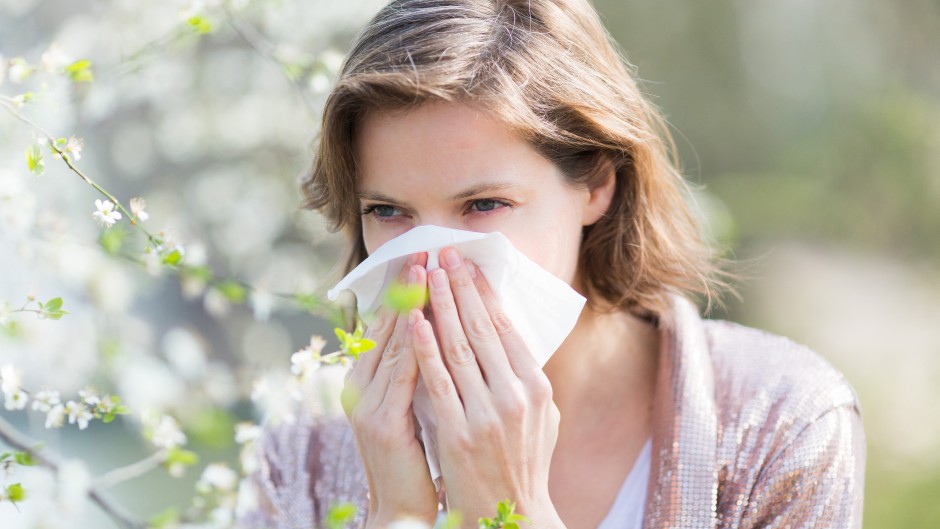
JOHANNESBURG - Spring is here, and for many, it also signals the start of hay fever.
The main trigger is pollen, tiny particles released by trees, flowers, and especially grasses as the weather warms up.
From September to February, grass pollen is the biggest culprit.
"Hot weather followed by thundershowers can release massive amounts of pollen into the air in summer," said Dr Adrian Morris from the Cape Allergy Clinic.
"The pollen grains are tiny, so they rapidly spread outdoors."
Here are some simple ways to reduce your exposure and manage hay fever symptoms:
- Stay indoors during peak pollen times (such as 11am and 6pm).
- Wear wraparound sunglasses outdoors to protect your eyes.
- Shower, wash your hair, and change clothes when you get home to avoid carrying pollen into your bed.
- Apply a little petroleum jelly (Vaseline) just inside your nostrils, as it can trap pollen grains before they go deeper into your nose.
- When travelling, keep windows closed in the car and use the air-conditioner if possible to filter pollen.
- Consider an air purifier for your bedroom.
- Brush pets outside before letting them indoors, as their fur can carry pollen into the house.
- Rinse eyes and nose with saline drops or a nasal spray to help clear out pollen.
Morris said the mainstay of hay fever treatment is a daily, non-drowsy antihistamine, available without a prescription.
"If symptoms are really bad and you have a very important function or examination, then you might need a few days of prescription oral steroids," Morris said.
"But avoid cortisone injections in the season, as although they do offer temporary relief, their unwanted side effects can be problematic."