JOHANNESBURG - A social media trend about women shaming men who are not paying child maintenance can have far-reaching implications for those who join in.
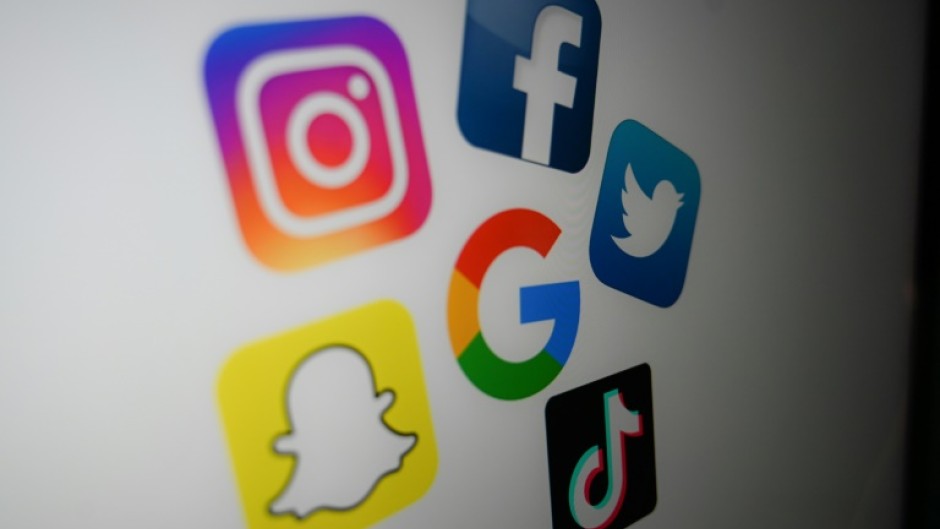
TikTok has erupted with the #Abondli trend where the personal details of alleged “deadbeat” fathers are shared with the public domain. This has raised questions about the Protection of Personal Information Act no. 4 of 2013 and its implications.
TikTok users are sharing personal information of men, alleging they have failed to pay child support for their children.
Some of the posts have included photographs, names, details of the individual’s work, personal and work numbers, as well as their social media details.
Many of the individuals implicated have opted to respond with the threat of possible legal action to protect their Constitutional rights.
While many in the comments seem to carry the false assumption that the only legal ramification of this contravention is through a defamation charge, the POPI Act still applies.
Legal expert Wesley Hayes said the trend is in contravention of the POPI Act.
“This is a definite case of defamation. The accusations may be truthful but are not in the public interest for them to be shared publicly and it definitely goes against the POPI Act,” he said.
The purpose of the POPI Act is to invoke the Constitutional right to privacy by protecting personal details of individuals and regulating how information is processed and shared
The POPI Act defines personal information as including but not limited to:
- information relating to education, medical, financial, criminality or employment history of the person.
- any identifying number, symbol, e-mail address, physical address, cell-phone number, location, online identifier or other particular assignment to the person.
- the correspondence sent by the person that is implicitly or explicitly of a private or confidential nature.
It is often assumed that only organisations can be held liable regarding the POPI Act. However, the less explored reality is that the Act extends to users of social media platforms too.
The Act stipulates that if a person discovers a post disclosing their personal information without their consent, the individual responsible for the post may be liable for contravention of the Act.
This means that the individual could face a fine or possible imprisonment for a period not exceeding 12 months or a combination of both.
Hayes pointed out the nuance of these cases. He questioned, “What circumstances have led these women to have to resort to such extreme measures? Yes, there is a legal route that can be taken, but is this a situation where the mother went to the maintenance court and was led down by the system?”
He alluded to the possibility of a larger systemic issue while warning against the dangers of contravening the POPI Act.
When partaking in public conversation, it is imperative to remember that the constitutional right to freedom of speech is accompanied by the responsibility not to post harmful or misleading content.
PR specialist Bongi Maseko argued that participating in the trend could have unfavorable effects on future possible employment or professional opportunities.
"It can affect how your future employers or business partners assess your judgment. It may look like you're supporting the women who speak out, but from a PR perspective, the concern is whether you demonstrate good judgment on what should remain private or what can be publicised", said Maseko.