
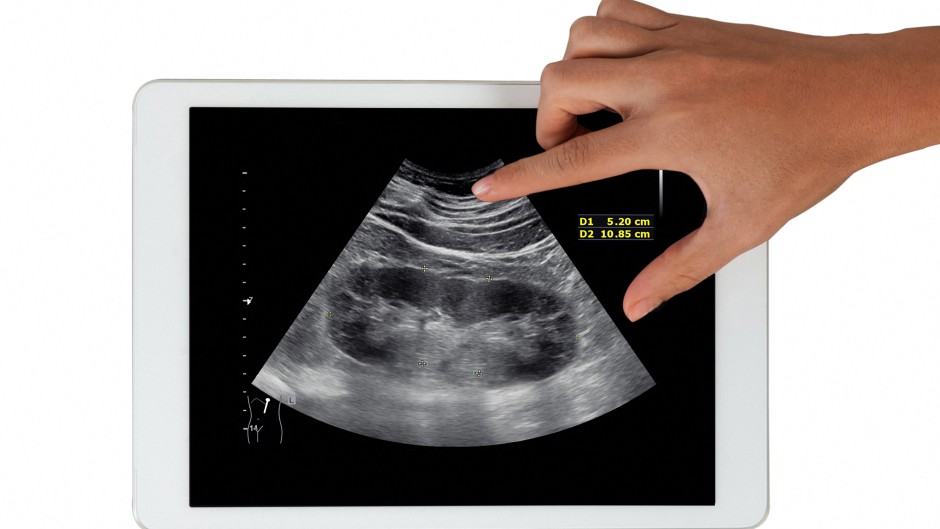
JOHANNESBURG - Chronic kidney disease (CKD) is a growing global health concern, yet it often goes unnoticed until advanced stages, limiting opportunities for early intervention.
Dr Chevon Clark, Chief Executive Officer of National Renal Care (NRC), said that in South Africa, the most prevalent kidney-related conditions include CKD, hypertension-related kidney damage, diabetic nephropathy, and glomerular disease.
Community-based studies suggest that CKD affects between 10 percent and 17 percent of the population.
"Hypertension is the leading cause of CKD and end-stage kidney disease (ESKD), while diabetes contributes significantly, particularly through diabetic nephropathy," Clark said.
"Rising rates of obesity and diabetes are expected to increase the burden of CKD in the coming years."
Clark said advanced CKD can also lead to complications such as metabolic acidosis, anaemia, hyperuricemia, and electrolyte disturbances, often affecting multiple organ systems.

Kidney disease in South Africa
The South African Renal Registry (SARR) monitors dialysis and transplant patients, highlighting trends in kidney failure.
According to the latest data:
- Hypertensive kidney disease: 38.7 percent
- Unknown cause: 31.7 percent
- Diabetic nephropathy: 12.6 percent
- Glomerular disease: 9.7 percent
- Cystic kidney disease: 2.8 percent
- Obstruction and reflux: 1.5 percent
"As of 31 December 2023, 8,881 South Africans were receiving kidney replacement therapy (KRT), a prevalence of 145 per million population," Clark said.
"However, many cases remain undiagnosed, underscoring the need for stronger prevention, early detection, and access to care.
"Awareness is our strongest tool. Understanding kidney disease and acting early can save lives. World Kidney Day is a reminder to check your kidneys, live healthily, and seek timely care."

Common health issues associated with kidney disease include:
- High blood pressure - Damaged kidneys struggle to regulate fluid and sodium, raising blood pressure and further worsening kidney function.
- Fluid retention (oedema) - Excess fluid can cause swelling in the legs, feet, hands, and face, and may accumulate in the lungs, causing breathing difficulties.
- Anaemia - Reduced production of erythropoietin, a hormone that stimulates red blood cell formation, can lead to fatigue, weakness, and shortness of breath.
- Bone disorders - Imbalances in calcium, phosphorus, and vitamin D can weaken bones, increasing fracture risk.
- Heart disease - Kidney disease increases the risk of heart attack, stroke, and heart failure.
- Electrolyte imbalances - Abnormal levels of potassium, sodium, and calcium may cause muscle weakness, irregular heartbeat, and heart complications.
- Waste buildup (uraemia) - Failure to remove toxins from the blood can lead to severe fatigue, nausea, and other systemic issues.

File: A person taking a nap. COMPASS Pathways/AFP
Early signs of kidney problems
Clark said CKD is often silent in its early stages, but certain warning signs should prompt medical evaluation:
- Urine changes: Increased frequency, foamy or bubbly urine, dark/cloudy urine, blood in urine, or difficulty urinating.
- Swelling (oedema): Notable in feet, ankles, hands, face, or around the eyes.
- Persistent fatigue: Often due to anaemia caused by reduced red blood cell production.
- Nausea and loss of appetite: Resulting from toxin buildup (uraemia).
- Shortness of breath: Due to fluid in the lungs or anaemia.
- Muscle cramps: Caused by electrolyte imbalances, particularly low calcium or high potassium (hyperkalaemia).
- Persistent itching: Accumulated toxins and mineral imbalances can irritate the skin.

Maintaining healthy kidneys
Clark notes that lifestyle habits and diet play a crucial role in supporting kidney function and preventing damage.
Key recommendations include:
- Stay hydrated - Drink 6–8 glasses of water daily to help kidneys flush out toxins.
- Eat a balanced diet - Include fruits, vegetables, and whole grains while limiting processed, salty, and high-fat foods.
- Manage blood sugar - Regular monitoring and adherence to diabetes management plans reduce kidney damage risk.
- Maintain a healthy weight and exercise - Physical activity helps control blood pressure and overall kidney health.
- Avoid smoking and excessive alcohol - Both can harm kidney function.
- Use medications responsibly - Overuse of certain painkillers, like ibuprofen, can damage kidneys.
- Regular health checkups - Routine blood pressure, urine, and kidney function tests allow early detection and treatment.