
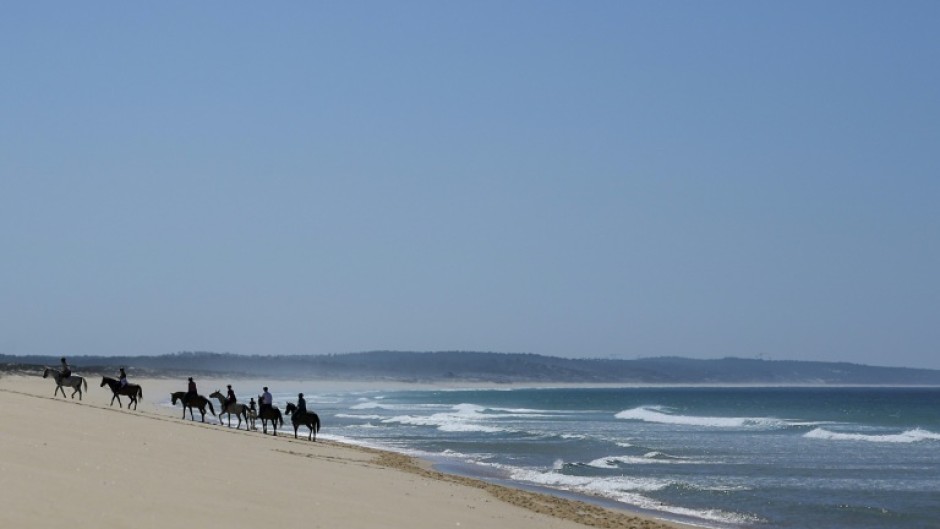
LISBON - Above the pine forests and dunes that stretch along the nearly deserted beaches of southwestern Portugal, cranes rise from building sites soon to be luxury hotels -- a sign of the region's contentious transformation into a playground for the wealthy.
Rapid development in the coastal region of Comporta has alarmed locals and environmentalists, who fear a repeat of the unchecked growth seen in Portugal's southernmost Algarve province, long a package holiday destination.
Dubbed "the new Portuguese Riviera", Comporta has drawn high-profile visitors including Oscar-winning actor Nicole Kidman and Princess Caroline of Monaco.
Real estate consultancy Knight Frank lists the region, located about an hour's drive south of Lisbon, among the five most sought-after luxury residential markets worldwide.
"Comporta appeals to a wealthy clientele seeking nature, privacy and wellness," the company wrote in a recent report.
Environmentalists warn that development projects threaten the region's unique mix of dunes, pine forests, gnarled cork trees and an endless patchwork of rice fields.
Campaign group Dunas Livres (Free Dunes) says eight "mega-projects" are under development, each covering hundreds of hectares, which will increase water consumption in a region already threatened by drought.
"These hotel complexes, with golf courses, swimming pools and a very large number of tourist beds, obviously consume a lot of water," Catarina Rosa, a biologist with the group, told AFP.
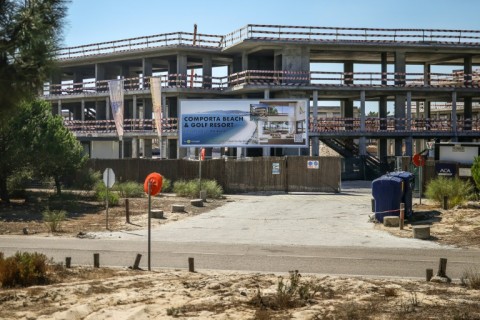
"Comporta, a true natural treasure, is being overrun by tourism," she added.
The transformation traces back to the collapse of the Espirito Santo bank during the 2011 debt crisis.
Discovery Land is behind the CostaTerra Golf and Ocean Club, planned to feature nearly 300 luxury villas.
Local residents have mixed feelings about the changes.
Some have sold small properties for staggering sums, while others worry that skyrocketing real estate prices are disrupting their way of life or forcing them out.
A small house worth 20,000 euros ($23,000) two decades ago is now valued at one million euros, said Jacinto Ventura, a farmer and president of a local association in Melides.
Residents also complain about restricted access to public beaches and rising costs in local shops since the arrival of wealthy visitors.
While some are leaving the area, others are trying to hold on.