

JOHANNESBURG - On Zero Discrimination Day, the global focus is on the right of every person to live a life of dignity and equality.
This year, UNAIDS is highlighting the ongoing discrimination faced by people living with and at risk of HIV.
The organisation said this discrimination continues to block access to healthcare, undermine human rights, and slow global progress toward ending AIDS by 2030.
Evidence shows HIV-related stigma remains a major public health challenge.
Data gathered from more than 30,000 people living with HIV across 25 countries shows stigma continues to act as a barrier to treatment, healthcare access, and social inclusion.
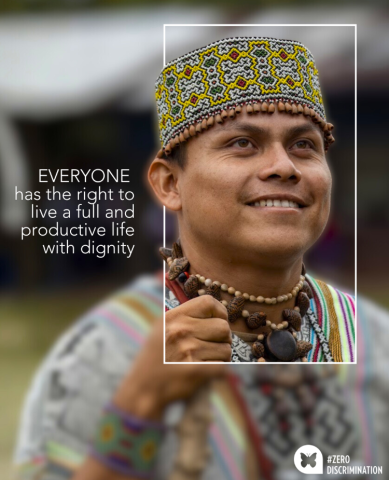
The silent psychological burden
According to the People Living with HIV Stigma Index 2.0 Global Report, nearly one in four people living with HIV have experienced stigma or discrimination, including within healthcare settings.
The report also shows 85 percent of people living with HIV experience internalised stigma, with many hiding their status or interrupting treatment due to fear of rejection or judgement.
Numbers that highlight the challenge
- 1 in 4 people report discrimination when accessing non-HIV healthcare services
- 24 percent experienced community discrimination in the past year
- 38 percent feel ashamed of being HIV-positive
- 85 percent experience internalised stigma
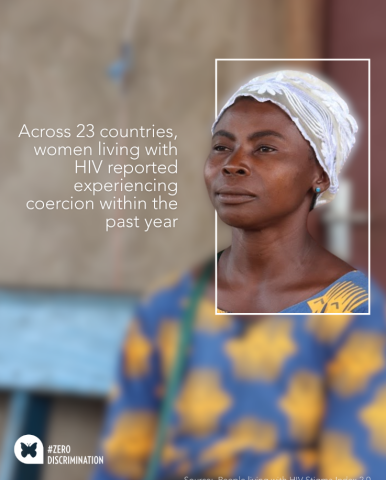
Women and girls face double discrimination
UNAIDS says women and girls living with HIV are particularly vulnerable, with gender inequality compounding discrimination.
Data from more than 26,000 women living with HIV across 23 countries shows many have experienced coercion, mistreatment, or abuse within healthcare systems in the past year.
Experts warn that intersectional stigma also limits access to justice, social protection, and economic opportunities.
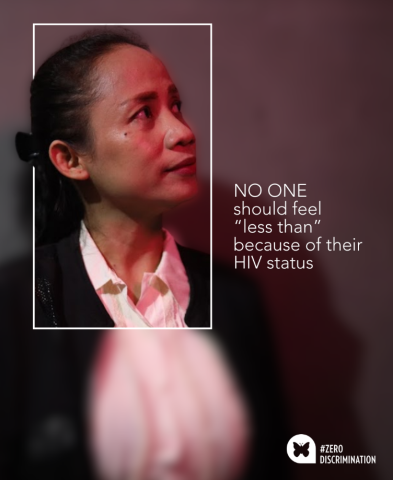
What needs to change
UNAIDS is calling for stronger action to remove discriminatory laws, protect healthcare rights, and strengthen community education.
Key recommendations include:
- Removing laws that criminalise sex work, drug use, same-sex relationships, and HIV non-disclosure
- Protecting patient confidentiality and ending mandatory HIV testing
- Improving training for healthcare workers to reduce discrimination
- Promoting public education campaigns to challenge HIV myths and stigma
- Supporting community-led HIV responses and advocacy groups
UNAIDS says ending AIDS by 2030 will not be possible unless stigma and discrimination are addressed at every level of society.