
Accountability Mustn’t Have A Ceiling and Let’s Start Asking For More Of It
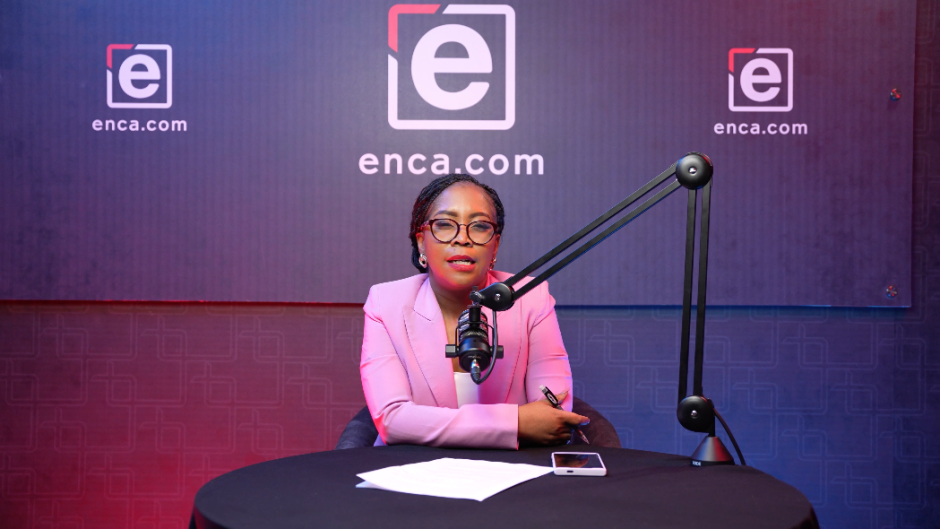
A trust deficit does not appear overnight. It accumulates through patterns: unanswered questions, procedural detours, and leadership that feels present when it wants to act, but distant when it is asked to account. In this episode of Naledi's Daily Rant, Naledi Moleo takes listeners into that gap between governance on paper and governance in real life.
The conversation is anchored in South Africa’s growing accountability problem, framed as an “accountability ceiling” that limits how far scrutiny can travel up the chain. Set against the SAPS crisis and testimony emerging from the Madlanga Commission of Inquiry, the episode interrogates what public oversight is supposed to achieve and what happens when it is replaced by technicalities.
Naledi examines a recurring tension in South African politics: intervention versus oversight. When the Presidency intervenes in policing crises, it signals that the office recognises the stakes and the urgency. Yet when Parliament seeks direct engagement, the public is often asked to accept distance, delegation, or process as a substitute for accountability. The contradiction matters because the consequences are not theoretical. They play out in real time, in institutions tasked with public safety.
The episode also challenges the comfort of closed-door accountability. Oversight that happens privately may be administratively convenient, but it cannot rebuild public confidence on its own. Transparent accountability is not a performance. It is a mechanism. It clarifies responsibility, tests leadership, and signals that power is willing to be measured by the same standards it expects of everyone else.
Naledi's Daily Rant does not treat these questions as abstract political debate. It treats them as governance fundamentals. When institutions fail and leadership avoids direct scrutiny, trust erodes. And when trust erodes, every crisis becomes harder to contain. This episode is a
call for clarity, transparency, and leadership that understands the basic rule: the higher the office, the higher the accountability.