
JOHANNESBURG - Syndicates smuggling stolen vehicles across South Africa’s borders could soon find it harder to evade the law, as the Border Management Authority (BMA) turns to technology to strengthen its crackdown.
The BMA has introduced a digital system that uses intelligence to flag suspicious vehicles and help officers intercept them at ports of entry.
The system marks a shift from random checks to targeted inspections, aimed at disrupting vehicle smuggling and other cross-border crime.
At least 85 vehicles are stolen in South Africa every day, with organised criminal syndicates exploiting porous borders to move stolen vehicles into criminal networks.
But authorities are increasingly relying on technology to put the brakes on these operations.
READ | BMA officers to wear body-cams to stave off corruption
The new Vehicle Targeting System, launched in April, is now operational at six ports of entry. Over the past six months, approximately 83 vehicles valued at R46.6-million have been recovered.
These include stolen vehicles, eight cloned vehicles, 37 cases involving fraudulent documentation and 33 financed vehicles recovered and returned to financial institutions.
A further 1,817 vehicles were stopped because their drivers could not provide proof of financing.
Strategically placed cameras scan vehicle number plates, allowing the system to flag suspicious vehicles for inspection before they reach the border.
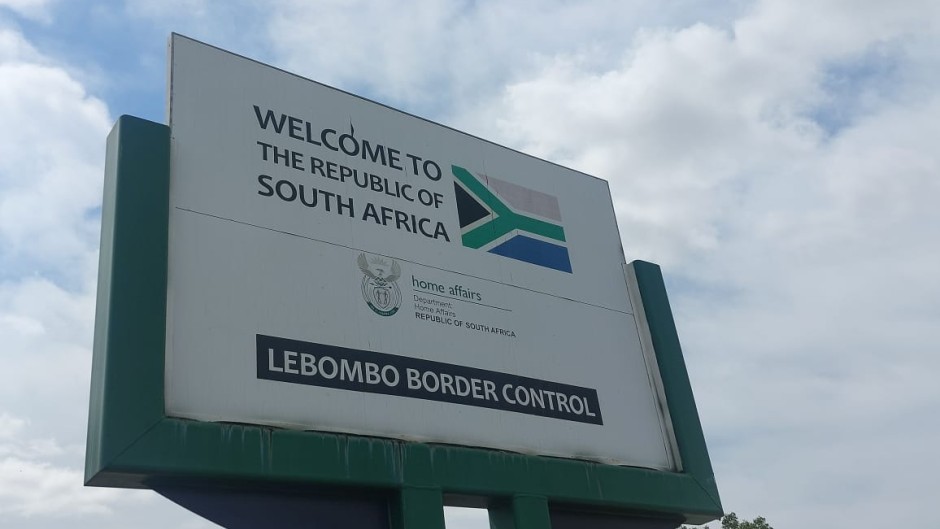
The BMA demonstrated the system at the Lebombo border post in Komatipoort on Sunday, highlighting how intelligence-led checks are helping officers identify vehicles requiring further investigation.
READ MORE | 'A moving target': South Africa's endless border battle
BMA Commissioner Mike Masiapato said the technology was already delivering results, improving both traffic flow and the authority’s ability to intercept suspicious vehicles.
“We have seen very tangible results since we started operating the system,” he said.
“From a queue-management perspective, we have seen improvements in the movement of vehicles, because law-abiding travellers who have nothing to declare or nothing suspicious about their vehicles no longer have to undergo unnecessary checks.”
Masiapato said the system runs checks against several databases in the background, allowing officers to focus on vehicles flagged for further investigation.
“When a vehicle is flagged for interception or further investigation, officers on the ground are alerted and can pull it aside for inspection,” he said.
“We have seen improvements in traffic flow, but also in our ability to intercept vehicles.”