
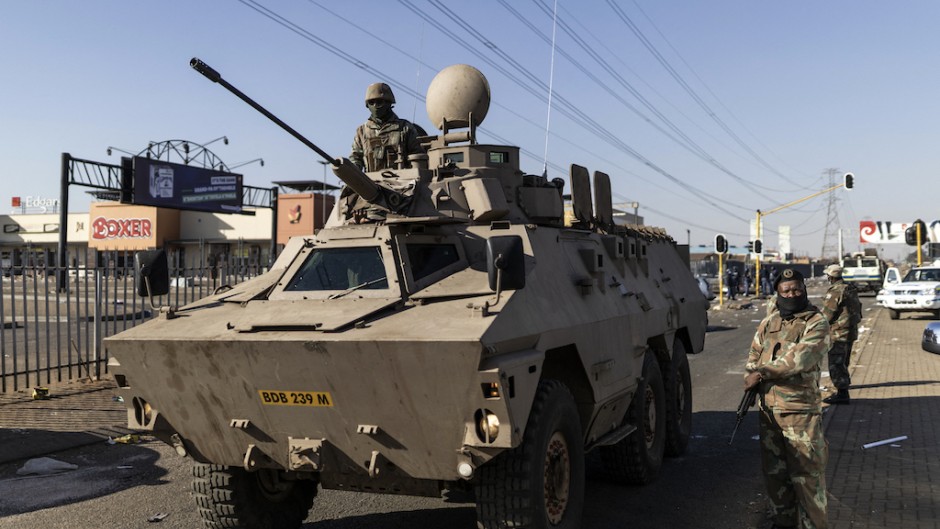
JOHANNESBURG - Some South Africans believe the almost R55-million spent on the SANDF deployment to quell immigration tensions in the country was a waste of money.
With the deployment wrapped up, what exactly did the country get for its money?
The SANDF’s deployment to help with immigration-related unrest formed part of Operation Prosper.
It ran from 28 June to 31 July, with 3,405 soldiers deployed.
The military operation cost taxpayers R54.6-million, while the broader SAPS operation cost an estimated R600-million.
Soldiers were deployed to Hillbrow and were meant to be deployed to other identified hotspots.
This was to support police, maintain law and order, and deter violence and looting.
While authorities point to a largely contained security operation, questions remain over whether the intervention was necessary, whether it delivered value for money, and whether the underlying causes of the unrest have been addressed.
Civil society organisations argue the deployment was a costly short-term response that failed to address the issues driving the unrest.
“No, I don’t think it’s worth the money that was spent because all I saw was a few deployments in some hotspots and then they went quiet," said Dale McKinley of Kopanang Africa Against Xenophobia.
"We didn’t hear anything about the SANDF; we didn’t hear anything about what they were doing. There was some indication that they were targeting hot spots and zama zamas or illegal miners, but other than that, there was no indication."
McKinley says reports of intimidation against migrant communities have continued despite the deployment.
The Socio-Economic Rights Institute has also weighed in.
“They may have acted as a deterrent for unruly or violent protest; that can be the argument that can be made, but the state’s approach to this is flawed," said Thato Masiangoako.
"So this is a lot of money that I think many people would argue could be better spent addressing the root causes of the unrest. We are a country that is considered the most unequal in the world. Extreme levels of poverty.”
While the deployment has ended, both security experts and civil society agree on one thing: Unless the root causes are addressed, immigration tensions are unlikely to disappear.
- eNCA's Nabeelah Shaikh reports.