
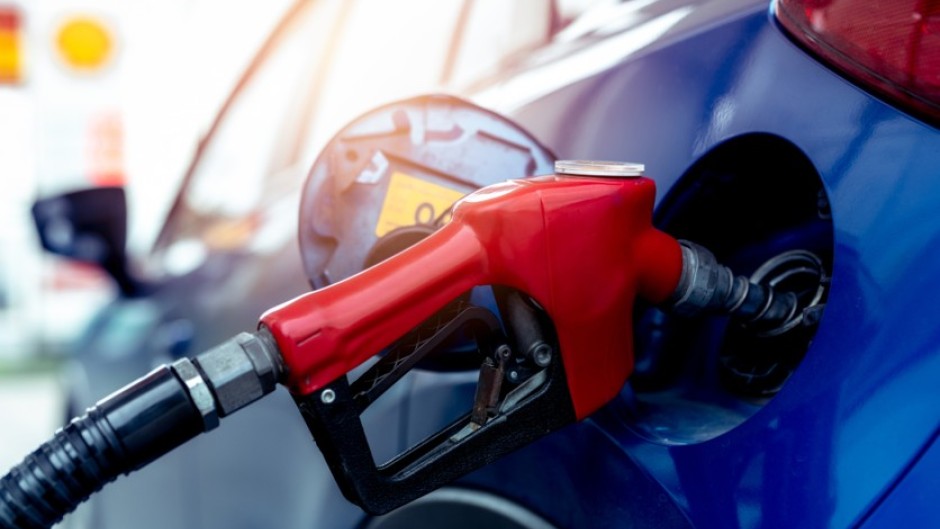
JOHANNESBURG - Government is urging motorists to avoid panic buying as South Africa prepares for record fuel prices from midnight.
Consumers are being encouraged to buy fuel according to their normal needs and avoid unnecessary stockpiling.
Government says unusually high demand could put pressure on fuel stations and distribution networks, potentially contributing to localised shortages.
The price of 93 petrol will rise to R30.25 a litre, while the increase is expected to put further pressure on already stretched households.
Higher fuel costs also mean higher expenses for farmers, transporters and other businesses, which could ultimately put further pressure on food prices.
Economist Dawie Roodt says the impact will be felt across the economy, with transport and agriculture among the sectors likely to be affected first.
“Transport is an obvious one. Unfortunately, we make extensive use of diesel. We shouldn’t be using this much diesel. This freight should be in trains, for example.
“Agriculture is another industry that will be affected. And in the end, everybody will be affected.
“This is likely to put upward pressure on inflation.”
READ: OUTA calls for urgent action on SA's dwindling fuel reserves
Roodt says the fuel shock comes at a difficult time for the economy, with interest rates still relatively high.
He says this could further weigh on economic growth and household finances.
“There will always be some sort of international crisis. What we need to do as South Africans is make sure that we are prepared when something like this happens.
“Because of our local domestic issues, the South African economy is just not in a position to absorb this.”
For households, Roodt says careful financial planning will be increasingly important.
“My advice to individuals is always to make sure that you have a budget, make sure that you plan ahead and, crucially important, make sure that you put some money away for unforeseen expenses.”
Roodt says calls for government to reduce fuel taxes or subsidise consumers must also be weighed against the state’s finances.
READ: 'What more is there to cut?' South Africans react to record fuel prices
“The state simply does not have the capacity. We cannot reduce taxes on fuel. It can be done, but then other taxes must be increased, or state expenditure must be reduced, or the state must borrow more money.
“In the end, it is the individual and the household that must make sure that they manage their own finances as well as possible.”
Read more: Cosatu urges govt action as fuel price shock hits