
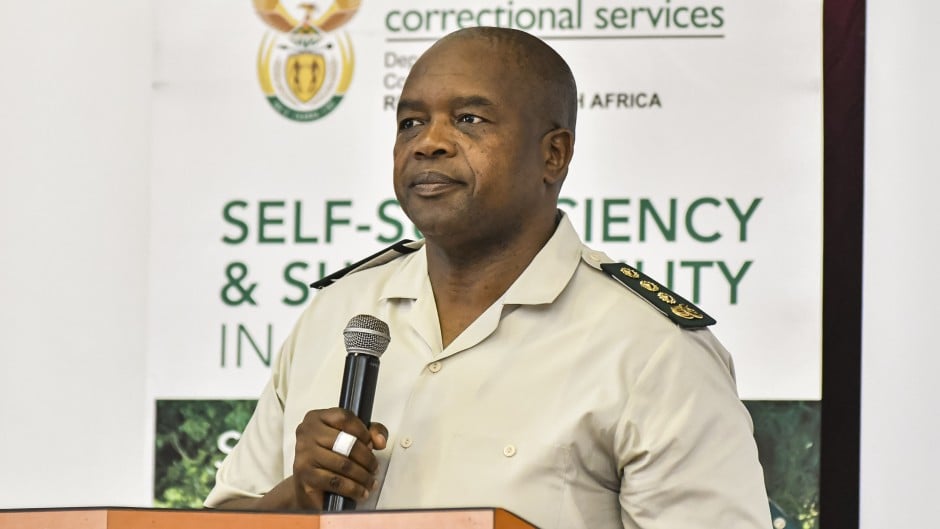
JOHANNESBURG - Suspended KwaZulu-Natal prison boss Mnikelwa Nxele says he was targeted for whistleblowing.
Nxele says he raised concerns about a grossly inflated prison food supply contract but was stonewalled.
He was subsequently suspended, and the Labour Court ordered the Department of Correctional Services to pay him R1-million.
Parliament’s Correctional Services Portfolio Committee found that the department was paying exorbitant prices for ingredients used to prepare food in prisons.
READ: R3K gravy train derails in Correctional Services scandal
The five-year contract raised eyebrows after it emerged that the department was charged more than R700 for a litre of cooking oil that cost just R29. It also found the department was paying over R3,000 for gravy powder, despite it costing around R920.
The department has since said the prices will be adjusted in July.
Nxele alleges that after he questioned the centralisation of the food supply contract, DCS Commissioner Makgothi Thobakgale moved swiftly to suspend him.
According to Nxele, the centralisation of the food contract began in 2023, when provincial commissioners were informed that a consultant would be appointed.
"We have a fully established unit that has been dealing with supply chain and logistics for decades," said Nxele.
“Correctional Services is a republic on its own,” he adds, saying the changes sent shockwaves through the department.
He says questions were raised about why the move was made without consultation, as required by the Correctional Services Act. Nxele claims he was told during a meeting that his concerns were not on the agenda.
“We anticipated that something was coming,” he says, adding that the appointment of a consultant was unnecessary and a waste of money.
Nxele says the department also missed an opportunity to negotiate better prices with service providers.
"As a national department, of you centralise the authority, you can bargain with service providers for reduced prices," he says.
However, he says it was concerning that prices instead increased.
"It did not make sense from the beginning," said Nxele.
He adds that, at a time when government is struggling to fund certain programmes, it makes little sense to pay inflated prices for basic goods.
Beyond KwaZulu-Natal, six other provinces also raised concerns about the new system.