
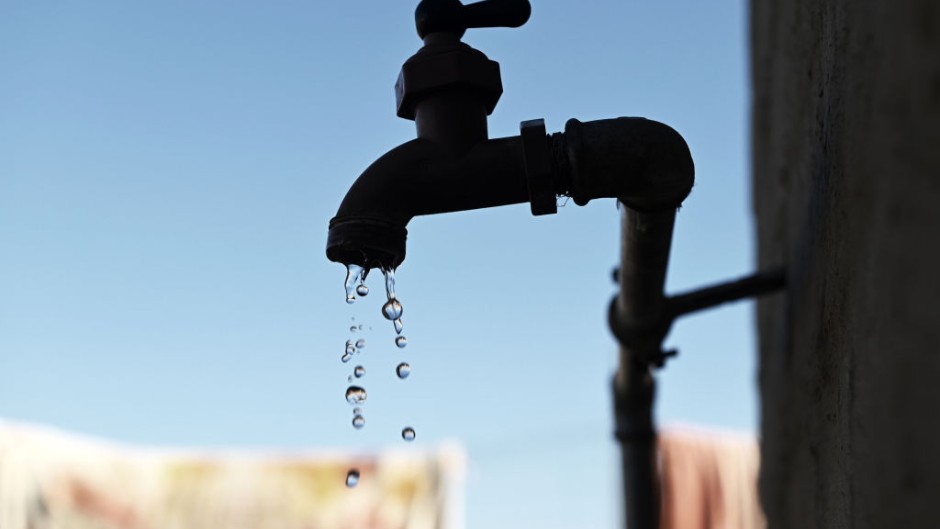
PRETORIA - The City of Tshwane has resumed chlorinating the water supply in Bronkhorstspruit, but residents are still being warned not to use the water for drinking, cleaning or washing.
The Water and Sanitation Department says the chlorine problem has been resolved and new water entering the system is being treated.
However, untreated water may still be sitting in reservoirs and pipes, meaning the system needs to be thoroughly flushed before the water can be considered safe.
Residents are also being urged to clean containers previously used to store the potentially contaminated water, using a common household detergent before reusing them.
READ | Tshwane failed to warn residents of unsafe water, says DWS
But a water infrastructure expert warns that the consequences of failing to disinfect the water could be far more serious.
Gundo Maswime, from the University of Cape Town, says pathogens in untreated water can cause serious illnesses, including gastroenteritis, cholera, typhoid and dysentery.
Maswime says Shigella could be responsible for the gastroenteritis cases reported in Bronkhorstspruit, although the specific pathogen would need to be established.
READ | Bronkhorstspruit Water Crisis: Tshwane deploys 36 water tankers
He warns that while the current outbreak has been associated with gastroenteritis, the situation could have been much worse.
The City of Tshwane's failure to chlorinate the area's water supply has been blamed for an outbreak that has affected more than 400 people.
Meanwhile, the EFF and the DA are expected to open a case against Tshwane mayor Nasiphi Moya and the city manager over the failure to chlorinate the water.