
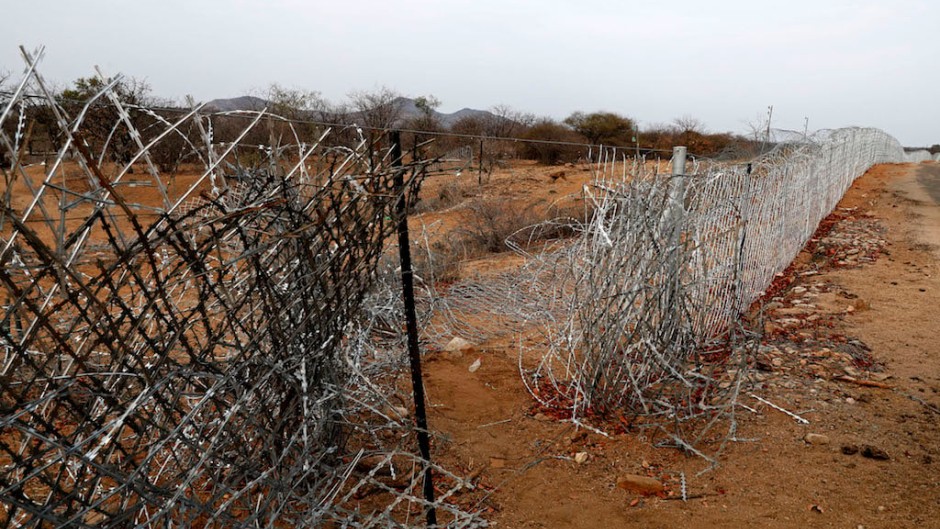
JOHANNESBURG - At the northernmost part of South Africa, the Limpopo River is the only thing that separates the country from Zimbabwe.
There is no fence, no high walls, just water. Beitbridge is South Africa’s busiest – and weakest – border post.
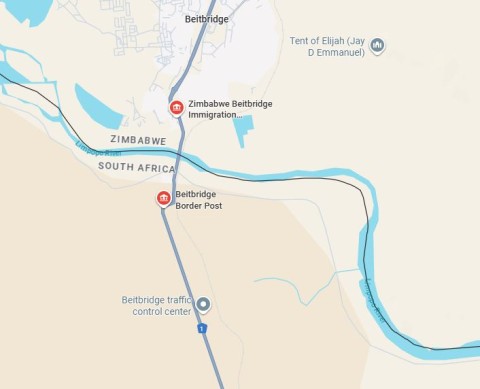
In April, more than 1,000 people were intercepted while trying to illegally cross the border.
A few months before that, in January, the Boarder Management Authority (BMA) stopped 200 other travellers attempting to cross into South Africa illegally.
The numbers paint a grim picture of the pressure on the BMA.
Beitbridge port commander Ntakuseni Lambani admits that the absence of a fence leaves Beitbridge dangerously exposed.
“Because the fencing is destroyed, the river becomes our force multiplier of some sort. It is quite a huge stretch where there is no fence at all.
Once the river is dry, this place becomes busy with crossings and movement of goods.
Both countries are losing revenue out of this because people are not declaring their goods,” Lambani says.
Cross-border syndicates have perfected their smuggling craft to a smooth operation.
“Over the river, you will see taxis parking there waiting for people to cross so that they can ferry them to their destinations.
There are even makeshift boats on standby to carry people who are crossing with groceries.”
Lambani decries the shortage of human resources. Staff shortages, he says, make it impossible to patrol all vulnerable areas.
Enter drones and other monitoring technology, which the BMA hopes will deter border crime.
The Transport Department also plans to install a toll plaza near the border to derive revenue as well as improve security and traffic management.
But Beitbridge is not the only border post that is vulnerable to organised crime, others with Eswatini and Mozambique are also besieged by smuggling and trafficking.
The movement of undocumented migrants, human trafficking and drug trafficking, arms smuggling, cross-border car theft, illegal mining and other crimes such as rape, robbery and damage to public infrastructure pose serious national and regional security risks with far-reaching consequences.
Oshoek Border Post between South Africa and Eswatini is a smuggling hotspot.
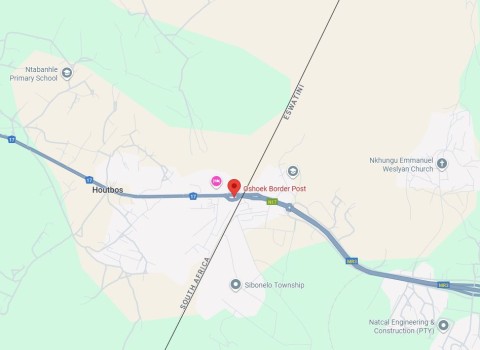
Acting port commander Sibusiso Mahlangu reiterates Lambani’s concerns about staff shortages.
“When you look at the staff we have as the authority, we should have about 11,000, but currently we have about 2,000 officials on the ground as the BMA across the 71 ports. We are struggling to properly man all the vulnerable segments within the ports,” Mahlangu says.
Even with those operational obstacles, he says Oshoek has been able to intercept stolen vehicles, illegal dagga and illicit goods being smuggled for trade.