
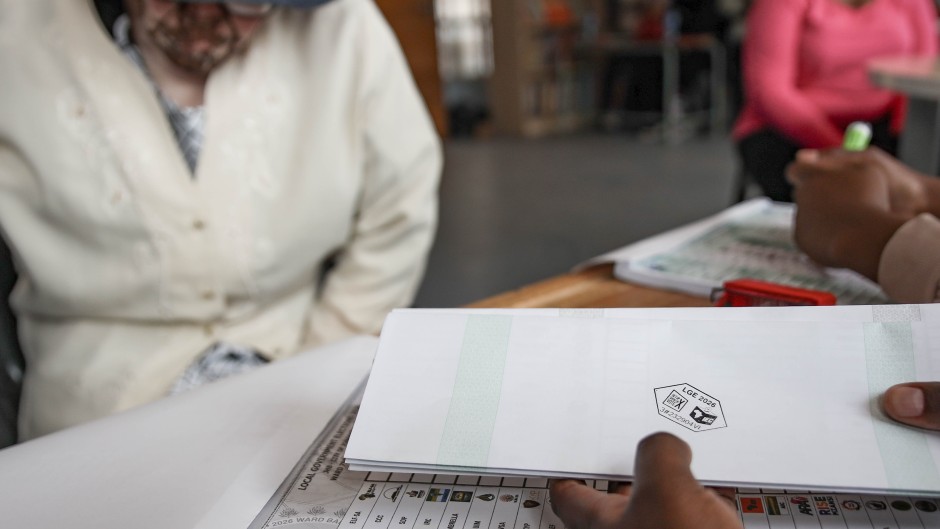
JOHANNESBURG - South Africans head to the polls on Wednesday, but unlike national and provincial elections, local government elections require voters to make two or three separate choices, depending on the municipality where they are registered.
The Electoral Commission of South Africa (IEC) is urging voters to understand what each ballot paper represents before casting their votes.
IEC Chief Electoral Officer Sy Mamabolo explains that voters in local municipalities will receive three ballot papers, each serving a different purpose.
READ | 21 election-related cases recorded ahead of Wednesday's elections
The white ballot paper is used to elect a ward councillor. Voters choose a candidate to represent their ward on the municipal council. The candidate may represent a political party or stand as an independent.
The green ballot paper is the local proportional representation (PR) ballot. It allows voters to choose the political party they want represented in their local council.
The yellow ballot paper is the district PR ballot. Through this ballot, voters choose 40 percent of the political parties representing them on the district council.
Mamabolo says the number of ballot papers voters receive depends on the type of municipality in which they are registered.
- Follow all your elections coverage here