
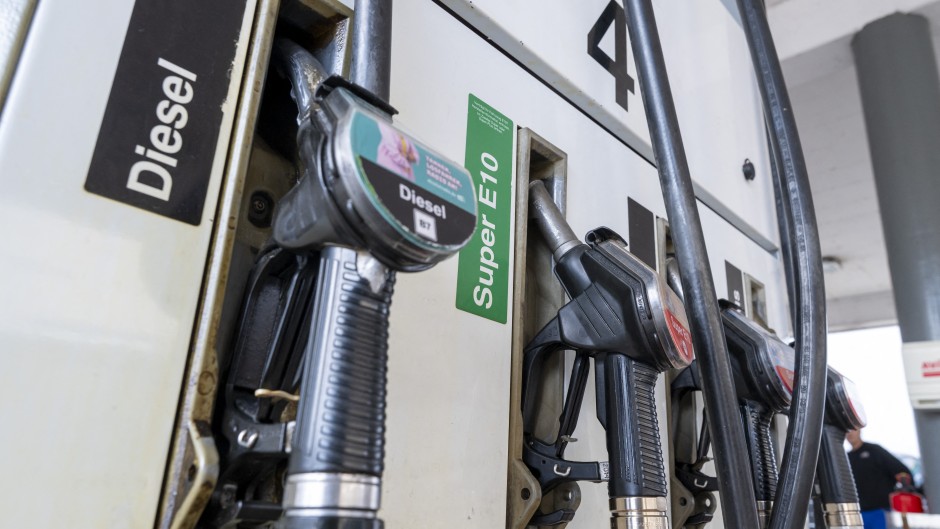
DURBAN - Fuel price increases took effect on Wednesday. Petrol is up by about R3 a litre, and diesel has risen by as much as R7 to R10 a litre.
Several fuel stations reported dry pumps ahead of the increase, fuelling anxiety and frustration among motorists over what lies ahead.
eNCA spoke to motorists who said they were anxious over the tough times ahead. A motorist in Durban said panic buying was continuing.
“It’s going up by a lot now, so obviously people are panic buying. I’ve been to five service stations so far, and everyone says they don’t have petrol, and this one now is just allowing us 40 litres only, so that only gives us a certain kilometre we can do. I’m not sure how far that’s going to take us.”
Another motorist said the fuel levy cut helped alleviate the pressure for most people.
READ | Temporary relief for motorists as govt cuts fuel levy by R3
Thandi Thabethe, who spoke to eNCA from the Moore Road BP Garage in Durban, said customers have been panic buying.
“We have been having customers who want to stock fuel, and we had to try to limit in terms of the containers that we are filling up because they would come with a 2,000-litre container with a small truck. Unfortunately, we could not fill up for them because we need to make sure that all our local customers have enough to fill up their cars.”
A motorist in Cape Town said he was already starting to feel the pinch. "Petrol has become so expensive. We are struggling, they really need to stop the fighting," the motorist said.
Dawie Roodt, director and chief economist of Efficient Group, said government’s fuel levy cut was “cheap politics”.
ALSO READ | Motorists rush to fill tanks before fuel price increase
“I’m afraid I do not agree with this decision by the minister for several reasons; one, if you want to reduce the tax burden on the economy, there are far more damaging taxes to the economy that should be reduced first. Secondly, what is very important is the state’s finances are in very deep trouble, the fiscal deficit is going to be significantly larger, the debt of GDP will also go up, especially with a smaller economy -so we are heading for a financial crisis as it is anyway.”
Kalnisha Singh from KD Strategies said the reality of the situation was that the fuel levy cut was unplanned for in terms of the budget.
“We have seen an increase in the revenue collection estimation for the 26/27 financial year, which suggests there should be a little bit of surplus. However, the reality is that money is going to come from somewhere else. It is going to be interesting to see how the fiscus then re-budgets.”