
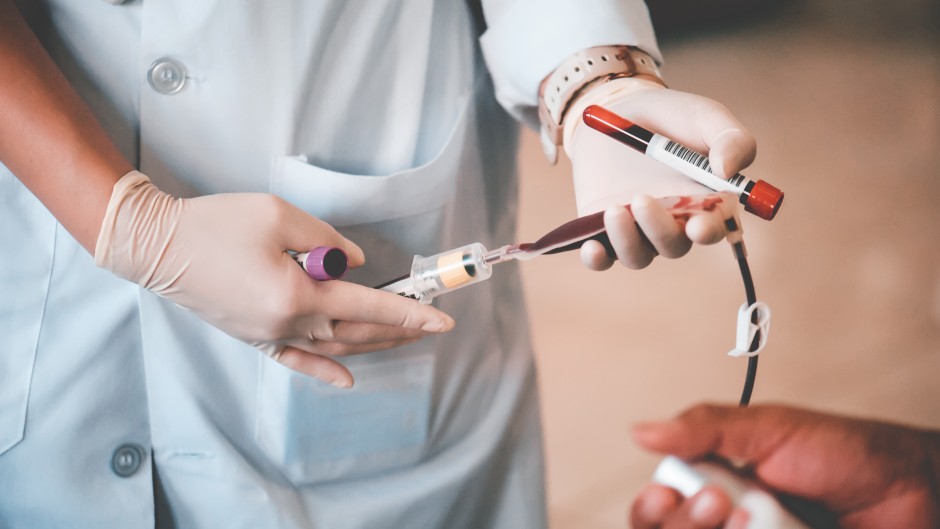
JOHANNESBURG - Jehovah’s Witnesses have partly eased their longstanding position on blood transfusions.
According to the new policy, individual members can decide whether to accept certain blood components from another person.
The decision has been welcomed by the Department of Health, which says the change could ease longstanding challenges faced by healthcare workers treating Jehovah’s Witness patients in emergency and critical-care situations.
In a statement on Thursday, the department described the development as a “historic and significant decision”.
“For decades, the religious prohibition on blood transfusions posed major challenges to the healthcare system, specifically in emergency and critical care settings,” the department said.
“Blood transfusion is a life-saving intervention that directly addresses life-threatening deficits in oxygen delivery and haemostasis (the stopping of bleeding) and enables complex medical procedures that would otherwise be unsafe.”
Health Minister Dr Aaron Motsoaledi welcomed the change, while noting that Jehovah’s Witnesses continue to prohibit the transfusion of whole blood.
He said this would not pose a significant challenge to the healthcare system because doctors and hospitals have for decades discouraged the use of whole blood for routine transfusions.
“Doctors and hospitals, or any other health facility, have for decades discouraged the use of whole blood for ordinary transfusions,” Motsoaledi said.
The minister described the development as a “giant leap”, saying it would lift a substantial burden from healthcare workers.
Motsoaledi said healthcare workers had previously been forced to approach the courts in cases involving children whose parents refused blood transfusions on religious grounds.
What has changed?
In a statement dated 18 September and published on its official website, Jehovah’s Witnesses said its Governing Body had determined that accepting red cells, white cells, plasma or platelets from another person’s blood is now a matter of personal conscience.
“Likewise, each Witness must decide whether or not to donate blood for the clearly expressed purpose of providing components or fractions for use by another person,” the statement said.
The religious group said the change follows earlier updates concerning blood fractions and the use of a person’s own blood during medical procedures.
The latest position does not mean that Jehovah’s Witnesses have lifted their prohibition on whole-blood transfusions. Instead, decisions about receiving or donating certain blood components are now left to individual members based on personal conscience.