
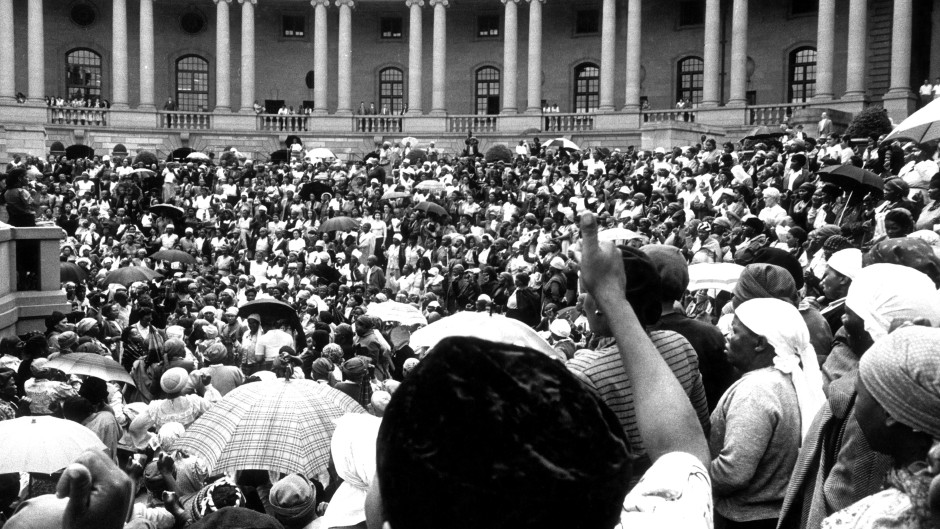
JOHANNESBURG - The families of South Africa’s struggle stalwarts featured in a controversial Glenlivet whisky advert have accused the brand of “commercially exploiting” the legacy of the 1956 Women’s March.
The advert, which triggered widespread outrage on social media, featured actress Dineo Langa observing portraits of five liberation figures, including Women’s March leaders Sophie Williams-De Bruyn and Lilian Ngoyi.
At the centre of the backlash was the way the advert connected Williams-De Bruyn’s age at the time of the historic march to Glenlivet’s 18-year maturation process.
Williams-De Bruyn was 18 when thousands of women marched to the Union Buildings in Pretoria on 9 August 1956 to protest against apartheid pass laws.
The advert’s attempt to draw a parallel between her age and the whisky’s maturation process struck a nerve, prompting criticism from political parties, members of the public and those connected to the women whose activism helped shape South Africa’s history.
Glenlivet and Langa subsequently apologised, while the advert was removed from social media platforms.
In a statement, the whisky brand said it was investigating how the campaign was conceptualised and approved.
But for the families of the struggle stalwarts, the controversy goes beyond what they describe as a poorly judged advertisement.
“Our mothers and grandmothers did not march so that their courage, suffering and sacrifices would one day be trivialised and turned into a convenient marketing gimmick for commercial gain.”
Williams-De Bruyn was equally unequivocal.
The struggle stalwart said seeing South Africa’s liberation history used to sell alcohol was “deeply painful”.
“I did not give Glenlivet permission to use my image or legacy,” she said.
Williams-De Bruyn said the history preserved by generations could not simply be removed from its context and transformed into a corporate asset at the discretion of a brand.
The families have acknowledged the apologies issued following the backlash but say they are still demanding answers.
Among their questions are how the campaign was conceived, what historical considerations were taken into account during its development and why the families were not consulted before the advert was released.
“Deleting the social media post does not erase the harm done,” they said, noting that the material continues to circulate online and is still being encountered by families, comrades and members of the public.
The families have also indicated that they will pursue accountability through the Advertising Regulatory Board.