
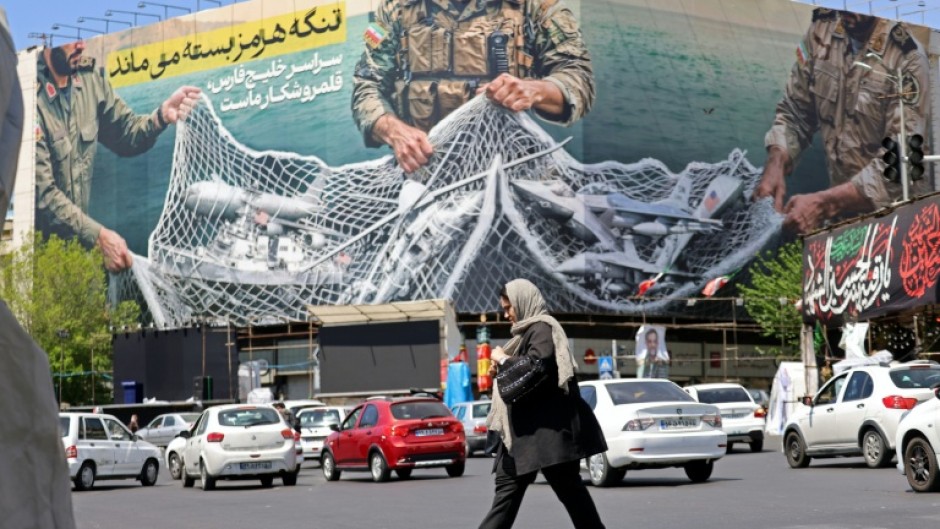
DOHA - A sense of dread spread across the Middle East after talks between the US and Iran collapsed, as fears of renewed fighting rattled an already tense region with Donald Trump ordering a naval blockade of the Strait of Hormuz.
Following more than 20 hours of talks in the Pakistani capital Islamabad, US Vice President JD Vance admitted the yawning differences between the US and Iran proved to be insurmountable for the moment.
What could come next and whether the two sides will continue to respect a two-week ceasefire was anybody's guess as both the Iranian and American delegations departed Pakistan without a deal.
A recent poll found that only 10 percent of the Israeli public believe the war against Iran had constituted a "significant success, compared to 32 percent who view it as a failure".
In Iran, a brief spell of hope that talks would end the hostilities between the long-time foes was quickly dashed.
Elsewhere in the Middle East, the negotiations' failure only seemed to guarantee more uncertainty.
With nerves already battered, President Trump on Sunday ordered an immediate naval blockade of the Strait of Hormuz, vowing to intercept any ship that pays tolls to Tehran while also preventing Iran from earning future oil revenues.
"Any Iranian who fires at us, or at peaceful vessels, will be BLOWN TO HELL!" he wrote.
The news came as many in the region were hoping for a return to normality.
Earlier Sunday, Saudi Arabia's energy ministry said its key east-west oil pipeline and other major energy facilities had been restored following attacks by Iran on targets across the Gulf.
In Lebanon, meanwhile, the ceasefire never started in the first place, with the warring sides disputing whether it was included under the deal as Israel stepped up its strikes there.