
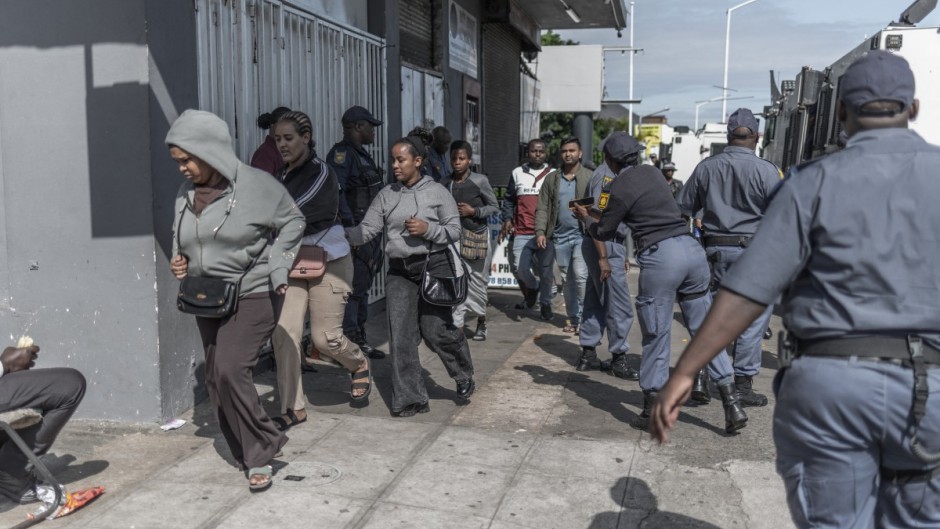
PRETORIA - Massive queues have formed at refugee reception centres following a landmark Constitutional Court ruling that reopened access to the asylum system for previously excluded applicants.
At the Desmond Tutu Refugee Centre in Pretoria, crowds gathered to apply for asylum as government officials sought to manage expectations around the ruling.
The Inter-Ministerial Committee on Migration said on Thursday that while access to the asylum process had been reopened, it did not automatically confer legal status.
Among those queuing in Pretoria was Tamara Ndikumana, who said she fled Somalia in 2023 and had been without a permit since arriving in South Africa.
For her, the reopening offers an opportunity to regularise her stay and find lasting security.
READ | Police step up response after vehicles torched in Soweto, Durban
“Individually, we came for peace. We crossed the border in Botswana. We came here by boat… and now we are in South Africa and we are safe,” she said.
“We were waiting for two weeks for the announcement. That’s why we are here in front of Home Affairs.”
The ruling has raised public concern about its implications for immigration. However, the government has rejected claims that it automatically grants legal status, permanent residence or citizenship to asylum seekers.
Justice Minister Mmamoloko Kubayi said the judgment ensures that people claiming asylum can access the legal process through which their applications are assessed.
“The judgment does not grant refugee status or permanent residence automatically to anyone who enters South Africa, nor does it legalise unlawful migration,” Kubayi said.
“It simply requires that individuals claiming asylum be allowed access to the asylum determination process so that their claims can be properly assessed in terms of the law.”
The government has also acknowledged the operational pressures created by the ruling, with refugee reception centres and Home Affairs administrative systems facing increased demand.
Kubayi said the Inter-Ministerial Committee on Migration was working with the Department of Home Affairs, the Border Management Authority, law-enforcement agencies and other relevant departments to address the challenges.
“We recognised that this development has placed significant pressure on refugee processing facilities and administrative systems at Home Affairs,” she said.
Read more: Tensions remain high at Durban refugee reception centre