
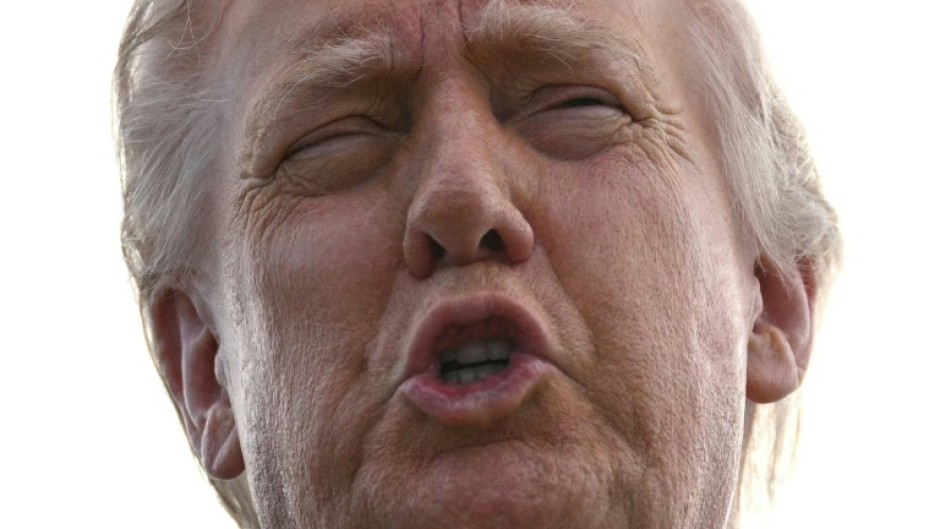
WASHINGTON - President Donald Trump said the United States was conducting "very positive discussions" with Iran, as he outlined a plan for US forces to escort ships through the blocked Strait of Hormuz beginning on Monday.
He said the new maritime operation, which he dubbed "Project Freedom," was a "humanitarian" gesture for crews aboard the many ships swept up in the blockade and which may be running low on food and other crucial supplies.
"We will use best efforts to get their Ships and Crews safely out of the Strait. In all cases, they said they will not be returning until the area becomes safe for navigation," Trump said in a lengthy post on his Truth Social platform.
Iran has maintained a stranglehold on the strategic Strait of Hormuz since the US and Israel launches strikes on Iran on February 28. In retaliation, Tehran has hit targets in Israel and Gulf nations.
The statement made no mention of what Tehran described as a 14-point plan "focused on ending the war," and which Iran's foreign minister said Washington had already responded to it in a message to Pakistani mediators.
"We are reviewing this and will take whatever response is necessary regarding it," spokesman Esmaeil Baqaei told state television.
Negotiations between the two countries have been deadlocked since a ceasefire came into effect on April 8, with only one round of direct peace talks held so far.
"I am fully aware that my Representatives are having very positive discussions with the Country of Iran, and that these discussions could lead to something very positive for all," Trump said.
By blocking the Strait of Hormuz, Iran has choked off major flows of oil, gas and fertiliser to the world economy, while the United States has imposed a counter-blockade on Iranian ports.
As of April 29, more than 900 commercial vessels were located in the Gulf, according to maritime intelligence firm AXSMarine.
Washington's European allies are concerned that the longer the strait remains closed, the more their economies will suffer, and German Foreign Minister Johann Wadephul demanded that it be reopened.
In a call with his Iranian counterpart Abbas Araghchi, Wadephul stressed that Germany supported a negotiated solution but that "Iran must completely and verifiably renounce nuclear weapons and immediately open the Strait of Hormuz."
Oil prices are currently about 50 percent above pre-conflict levels, largely due to the supply snarls in the strait.
- AFP