
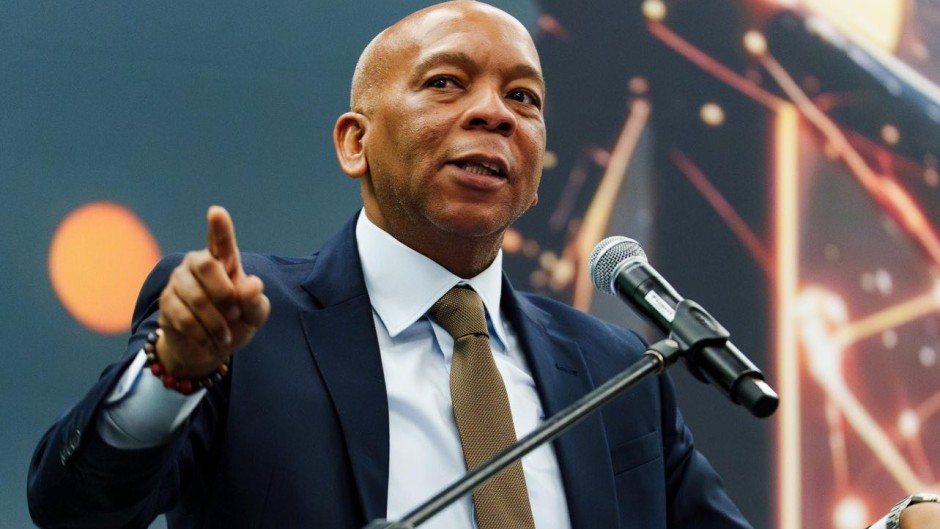
JOHANNESBURG - South Africans could soon have a clear picture of where their money is going when paying for electricity.
This comes as the Minister of Electricity, Kgosientsho Ramokgopa, unveiled the Revised Electricity Pricing Policy, which was approved for public comment on Friday, 21 August.
Ramokgopa said the new electricity pricing policy would provide transparent, efficient, cost-reflective tariffs while also preventing hidden costs from being included in electricity tariffs.
He was speaking on Tuesday during a media briefing where he outlined the new policy.
According to Ramokgopa, consumers who consistently pay their electricity bill should not be forced to shoulder the financial burden caused by those who choose to default.
He said not only does it weigh heavily on paying consumers, but the problem creates a costly chain reaction.
"As a result of their non-payment, municipal debt balloons and Eskom debt balloons because people are not paying municipalities in turn; municipalities are not paying Eskom.
He said the current tariff structure allows Eskom to recover municipal debt through the electricity tariff.
“If you look at the current tariff, anything between 1% and 2.5% of the tariff that you are paying is on the basis that Eskom is unable to recover what the people are owing, and municipalities, they put it in the cost of supply studies. The fact that they are being owed a lot of money and then it means that they are putting additional pressure on diligent consumers. In terms of this policy, that's not allowed,” the Minister said.
But under the new policy, Ramakgopa said it proposes that those costs should not simply be passed on through higher tariffs but also enable action against those who do not pay for electricity and those who are illegally connected to the grid.
"You are not allowed to punish those who are paying on account of those who are not paying. You must be an efficient producer and supplier of electricity. So, what do we mean? You go after the people who are not paying and do not translate that into the tariff," Ramakgopa said.