
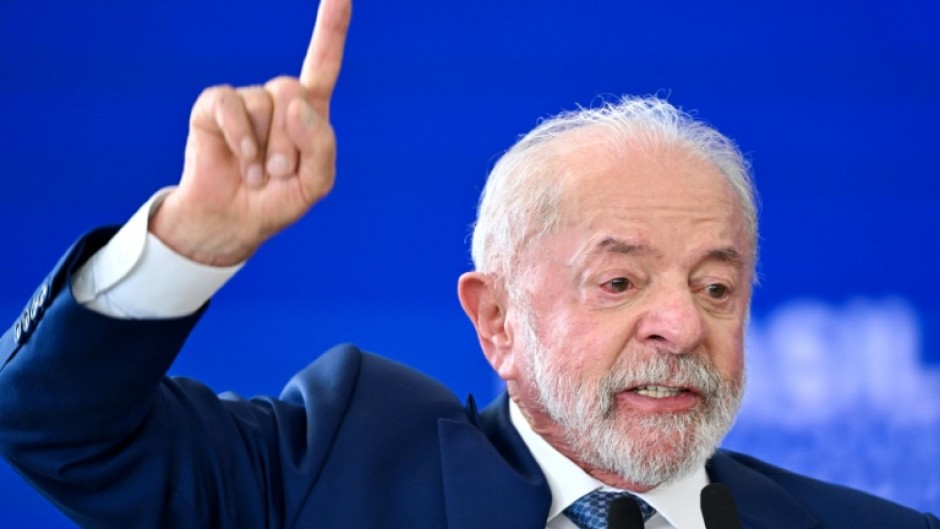
BRASILIA - Brazilian President Luiz Inacio Lula da Silva launched a new plan to combat organised crime as he faces mounting pressure over security, five months ahead of elections.
Brazil's battle with powerful criminal factions has been a point of tension with Washington, and was high on the agenda of a meeting between Lula and US President Donald Trump last week.
"Today's event serves as a signal to organised crime, telling them that very soon, they will no longer be the masters of any territory," Lula said in Brasilia.
The country's two main crime groups, Comando Vermelho (Red Command) and First Capital Command (PCC), wield control over large swathes of territory in Brazil, from the favelas in Rio de Janeiro to parts of the Amazon rainforest, where they engage in drug and arms trafficking and extortion.
Voter surveys ahead of October's presidential election have put security as Brazilians' main concern, above the usual worries of the economy or corruption.
The leftist Lula, 80, who is seeking a fourth non-consecutive term, has often faced accusations from his opponents that he is lax on crime.
Trump has made the fight against so-called "narcoterrorism" a priority of his second term, designating major cartels as foreign terrorist organisations.
Brazil is keen to avoid such designations, and in recent weeks has stepped up intelligence sharing with the US to combat arms and drug trafficking.
"I told President Trump that if he was willing to seriously tackle the fight against organised crime, Brazil possessed the expertise and was eager to work together," Lula said.
Lula's new plan aims to focus on financially strangling criminal factions, disrupting money laundering and cracking down on illicit markets that supply these groups, such as arms trafficking.
He said the government had earmarked about $200 million in direct funding for these efforts in 2026, and $2 billion to equip security forces with specialised equipment, such as drones, armoured vehicles, signal jammers and forensic equipment.
The government also plans to implement maximum-security standards in dozens of prisons across the country in a bid to sever organised crime leaders' ability to operate from behind bars.
Lula's main rival in the election is Flavio Bolsonaro, the 45-year-old son of former far-right president Jair Bolsonaro. They are neck-and-neck in the polls.
On social media, the senator mocked the president's plan, saying: "Brazil can't stand one more PowerPoint speech against organised crime."
Bolsonaro's campaign is already leaning heavily on hardline plans to fight organised crime, calling for the construction of many prisons and praising the controversial security policies of El Salvador's President Nayib Bukele.
- AFP