
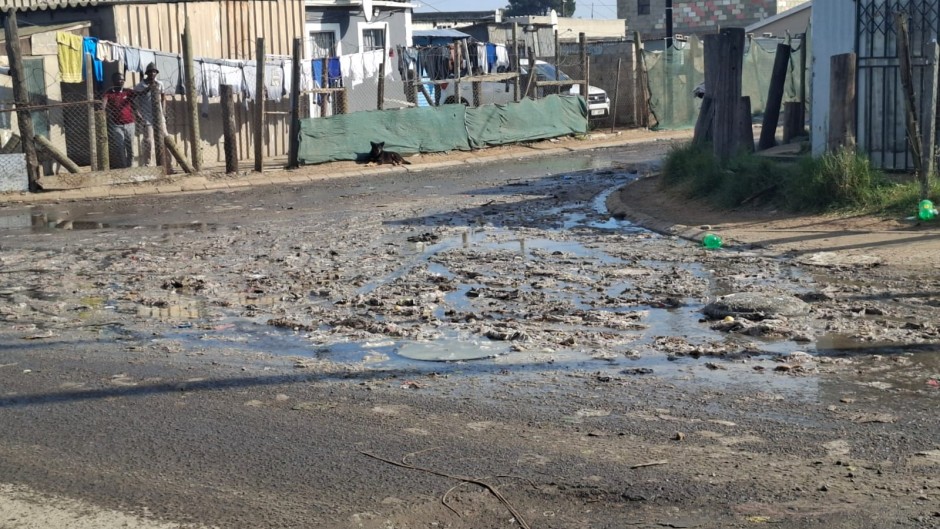
JOHANNESBURG - The country’s economic growth is being held back by increasing municipal dysfunction.
This is the warning from Reserve Bank Governor Lesetja Kganyago, who announced the Monetary Policy Committee’s latest decision on interest rates on Thursday.
According to Kganyago, the year started with good momentum, but it was later weakened when households suffered from higher fuel prices while uncertainty weighed on investment.
He anticipates the economy will start to recover in the second half of this year as the shock fades.
READ | SA Reserve Bank leaves repo rate unchanged
But the outlook, he said, remains uncertain as they are seeing downside risks to growth.
On inflation, Kganyago said recent figures have remained above the Bank's target range, which is largely due to higher fuel costs.
“Petrol and diesel prices eased this month, but global prices have now risen again. We expect headline inflation to stay above 4% until early next year,” he said.
Weighing in on this was Chief Executive Officer of Business Leadership South Africa (BLSA), Busi Mavuso, who said the governor's message is clear.
READ | Economists see higher interest rates ahead
She said in an environment where municipal dysfunction continues and where reforms remain completed, growth continues to be suppressed.
She said interest rate cannot always be the saving grace.
“Interest rate hike or not, it cannot replace a growing economy. It is not a substitute for it, and at the end of the day, we are going to have to grow the economy," she said.
According to Mavuso, a growing economy helps from a price stability perspective, but interventions to allow for this to happen is critical.
“We need to fix our trading environment so that business confidence can go up. The Governor has already signalled that business confidence and consumer confidence are down. If business confidence goes up, then the investment is going to come in.
“If investment goes up, then the economy is going to grow at the right level,” she said.
According to Mavuso, when there is investment, the country can address issues such as poverty, unemployment and inequality.