
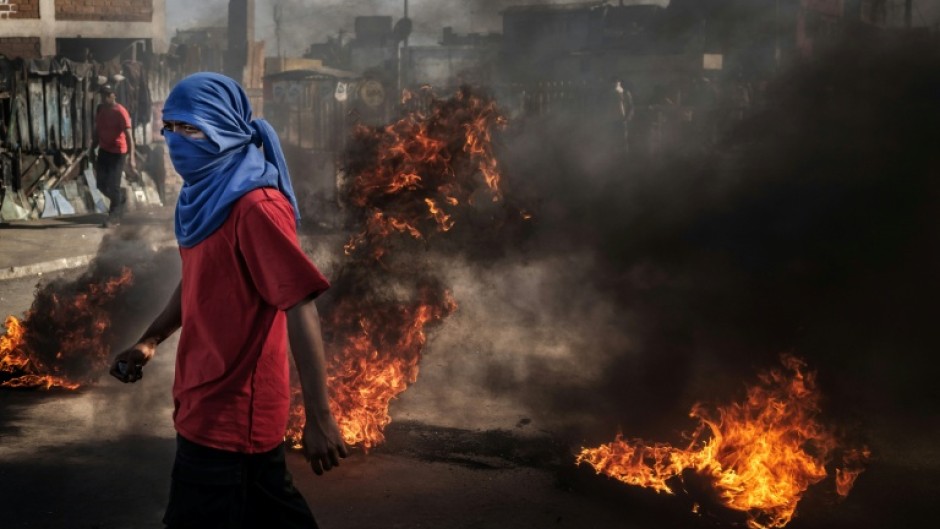
ANKATSO - The youth-led movement behind nearly two weeks of anti-government protests in Madagascar rejected dialogue Wednesday with President Andry Rajoelina and instead called a strike and new demonstration.
READ: Hundreds stage fresh anti-government protests in Madagascar
Near-daily protests erupted in the impoverished Indian Ocean island on 25 September, claiming at least 22 lives, according to a UN toll that is disputed by local authorities.
Rajoelina sacked his entire government and appointed an army general as prime minister on Monday, offering to respond directly to questions at a public meeting later Wednesday.
"We reject this sham dialogue," the Gen Z Mada group leading the movement responded on social media, denouncing "a government that represses, abuses and humiliates young people in the streets".
"As long as the repression continues, as long as the voices of the people are silenced, as long as communication flows in only one direction, we will not participate in any false dialogue," it said.
The movement comprising about 20 groups has given Rajoelina until Wednesday to respond to a list of demands that includes a public apology for violence against protesters but does not mention previous calls for him to step down.
After naming the prime minister, Rajoelina announced new ministers to head the three portfolios covering the army, public security and police, saying the country "no longer needs disruption but peace".
But the protest leaders said these appointments to "restore order" were a challenge and called a general strike and fresh demonstration in the capital Antananarivo for Thursday.
Among the world's poorest countries, Madagascar has undergone frequent popular uprisings since independence in 1960, including mass protests in 2009 that forced then-president Marc Ravalomanana from power as the military installed Rajoelina for his first term.
The 51-year-old won re-election in 2018 and again in 2023 in contested polls.
The latest round of protests, initially supported by thousands of people, were sparked by anger over frequent cuts in power and running water that last for up to 12 hours a day.
The large island of around 32 million people is the leading producer of vanilla and has significant natural resources but nearly three-quarters of the population lived below the poverty line in 2022, according to World Bank figures.
Conflict monitoring group ACLED said the month of September saw the second-highest level of protests in Madagascar since it began collecting data in 1997, surpassed only by a surge before the 2023 vote.
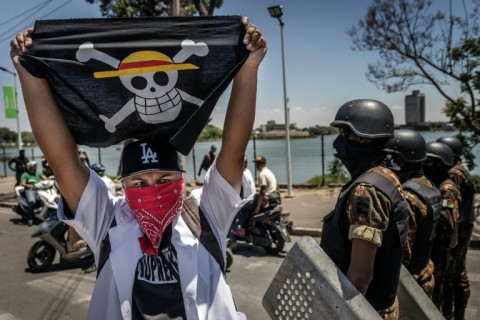
Around 100 people gathered in a new protest near Lake Anosy in the capital Wednesday.
The previous day, security forces again used tear gas to disperse scores of protesters in the same area, causing several injuries, AFP journalists reported.
By Clément Varanges