
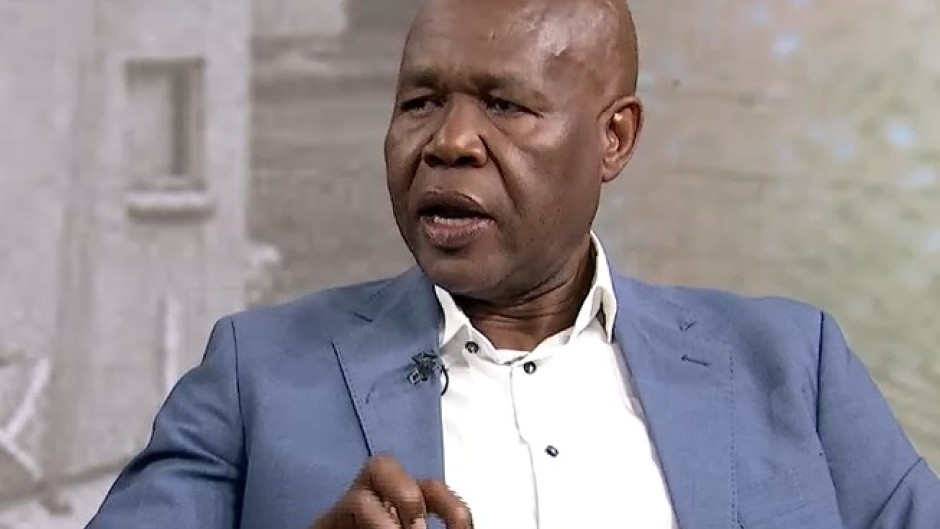
JOHANNESBURG - The City of Polokwane is on track to become a metropolitan municipality, according to Executive Mayor John Mpe.
Mpe says the municipality’s rating has improved from Grade 5 to Grade 6, placing it closer to achieving metro status.
But the municipality continues to face significant service delivery challenges.
In January, residents in Seshego blamed the municipality for a gastrointestinal outbreak in the area.
Dozens took to social media reporting abdominal pain, vomiting and severe diarrhoea, alleging contaminated water was to blame.
Water supply has been a persistent problem.
"We acknowledge that we have a deficit of 55 million litres per day," he said.
"In mitigating that, we have a program or a plan that will see short-term projects and medium-term projects, where we are improving the efficiency of supply."
READ: Polokwane Municipality mayor defends awarding tender to foreign nationals
The municipality is currently working on a hybrid Seshego water purification plant expected to produce between eight and 10 million litres of water per day.
"That will help us to stabilise Seshego," he said, adding that a separate project is expected to generate an additional 80 million litres daily.
Mpe also highlighted increased investment in road infrastructure, saying improved roads enhance accessibility and attract investment.
"Roads are an economic infrastructure to rural areas," he said.
READ: Polokwane residents protest costly bills, lack of water
He pointed to the development of new shopping centres as evidence of economic growth and job creation.
However, residents have previously threatened to shut down the provincial capital, citing high municipal bills and continued water shortages.
At the time, Mpe alleged the protests were organised by members of the so-called construction mafia and claimed certain individuals were being paid to destabilise the municipality.