
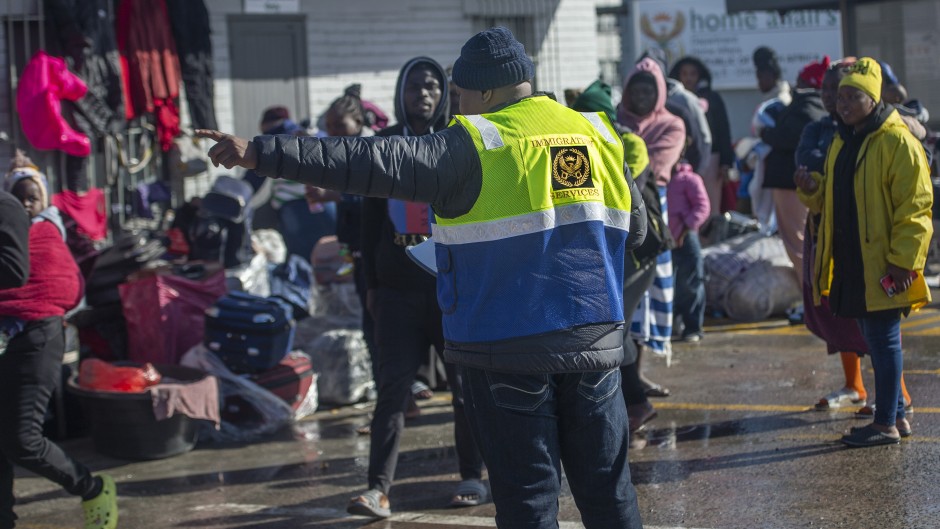
JOHANNESBURG – A High Court ruling in Johannesburg has clarified who is permitted to demand legal documentation from individuals in South Africa, and who is not.
According to the court, only members of the South African Police Service (SAPS) and immigration officials are legally authorised to request or inspect a person’s documentation.
This includes officials acting under the authority of the Department of Home Affairs.
What the law says
The ruling confirms that section 41 of the Immigration Act 13 of 2002 does not permit private individuals or groups to demand immigration documents from members of the public.
Anyone acting outside of these authorised officials would be acting unlawfully.
The court further ruled that document checks by authorities must be based on reasonable suspicion. It added that searches in private spaces such as homes, workplaces, schools or businesses require a warrant, and are generally limited to public spaces unless lawful procedures are followed.
The court also highlighted protections for children, stating that minors may not be interrogated or arrested unless it is a last resort and in line with constitutional protections under section 28(1)(g) of the Constitution.
Why the ruling matters
The judgment comes amid rising concerns over vigilante-style operations by groups attempting to verify people’s legal status in the country.
Human rights organisations have warned that such actions risk harassment and intimidation and fall outside the law.
According to Nothando Phuti from Kopanang Africa Against Xenophobia, such actions contravene the court ruling.
READ: Concerns raised over rise in vigilantism amid anti-immigration protests
President Cyril Ramaphosa says government accepts that South Africa’s immigration system requires substantial reform.
“We also recognise where our systems have failed; they must be correct,” he said in his weekly newsletter.
READ: 'Do not test the resolve of the state' - NATJOINTS issues stern warning
He added that while South Africans have the right to protest, this does not extend to intimidation, vandalism or violence.
The National Joint Operational and Intelligence Structure (NATJOINTS) has warned protesters not to “test the state”.
Chairperson Lieutenant-General Tebello Mosikili said law enforcement will respond swiftly, proportionally and decisively should criminality occur, within the framework of the law.
She previously emphasised that South Africa is not governed by intimidation, violence, ultimatums or mob justice, and that government remains in control of national security and constitutional order.