
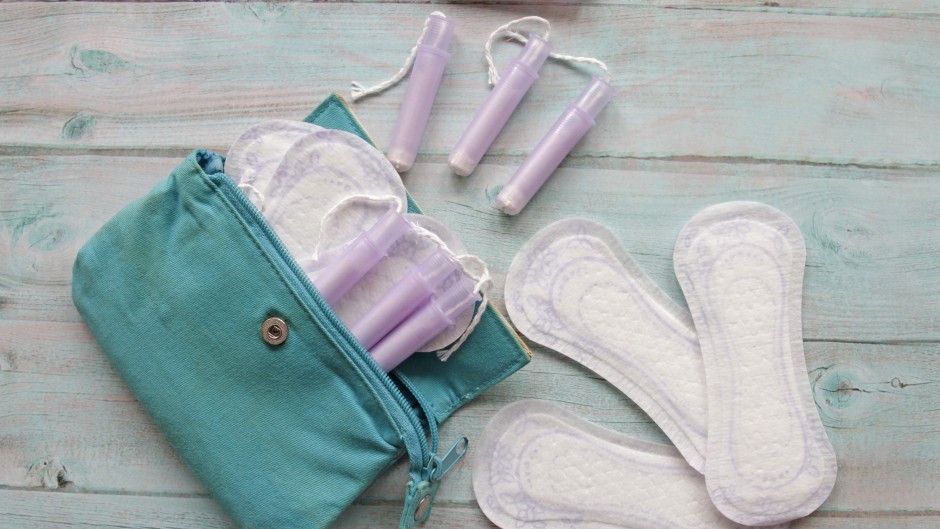
JOHANNESBURG - There is no need to panic or stop using sanitary products following recent findings about potentially harmful chemicals, says the South African Society of Obstetrics and Gynaecology.
“We need to take a chill pill. We need to take a step back and review these results in context,” says the Society’s Prof Ismail Bhorat.
READ: 9 sanitary pad suppliers under investigation after study finds harmful chemicals
A study by the University of the Free State found endocrine-disrupting chemicals (EDCs) in 16 popular menstrual products.
According to the university, the chemicals -- including phthalates, parabens and bisphenols -- can mimic hormones in the body’s endocrine system.
But Bhorat says the findings have caused unnecessary alarm.
READ: Menstrual product safety under scrutiny as NCC widens investigation
He explains that while EDCs have the potential to interfere with hormones such as thyroid and reproductive hormones, there is a crucial difference between hazard and risk.
“There is a big difference between the potential to cause harm -- which is a hazard -- and a risk, which refers to the likelihood of harm occurring as a result of exposure,” he says.
Bhorat adds that even if there is potential risk, concentrations would have to exceed permissible levels set by international regulatory bodies before posing a real threat.
READ: New study finds harmful chemicals in popular menstrual products
“These EDCs are very common,” he says.
“They are present in very low quantities in various foodstuffs, household items, and personal and beauty care products.”
'“The fact that they are found in menstrual products is not a shock.”
The National Consumer Commission says broader testing will now be conducted across menstrual products to ensure consumer safety before any potential recalls are considered.
However, Bhorat believes a recall is unnecessary at this stage. He notes that similar plastics containing these chemicals are used in products such as toothpaste, shampoos, conditioners, lotions, lipsticks and some clothing.
“These companies might not even be aware of the presence of certain chemicals in their products,” he says.
The World Health Organization has previously reported that EDC exposure is widespread globally.
READ: Further tests ordered on sanitary products after chemical findings
A recent study in China found that around 40 percent of EDC exposure came from foodstuffs, with another significant portion linked to personal care products.
According to Bhorat, sanitary products accounted for about 6% of overall exposure among the personal care products tested.
“The thing about EDCs is that if you go looking for them, you will find them,” he says.
The NCC says it will not recall sanitary pads at this stage, as doing so without conclusive evidence of harm would be irresponsible.
“On the basis of what we’re seeing, there doesn’t appear to be causation,” says Bhorat, adding that consumers should not change their day-to-day use of menstrual products.