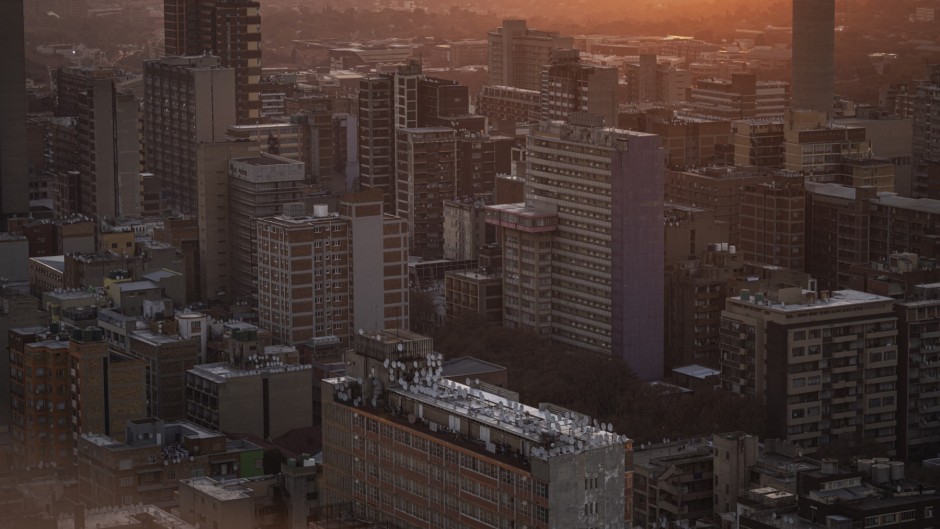
JOHANNESBURG - Johannesburg’s next mayor should not come armed with grand speeches or promises to restore the City of Gold while blaming predecessors for its decline.
Instead, the city needs a leader who is selfless, accountable and committed to good governance.
This is the view of political analyst Ongama Mtimka as South Africa heads towards the 4 November 2026 local government elections.
Mtimka said the next leader must focus on the bigger picture rather than self-interest.
“Sacrifice, big picture thinking, and a relentless pursuit of success. Those are the characteristics of holding senior leaders accountable for their performance in the administration and ensuring that there are consequences for non-performance,” he said.
According to Mtimka, Johannesburg has, for years, been led by leaders who have lacked selflessness and have been intent on undermining good governance.
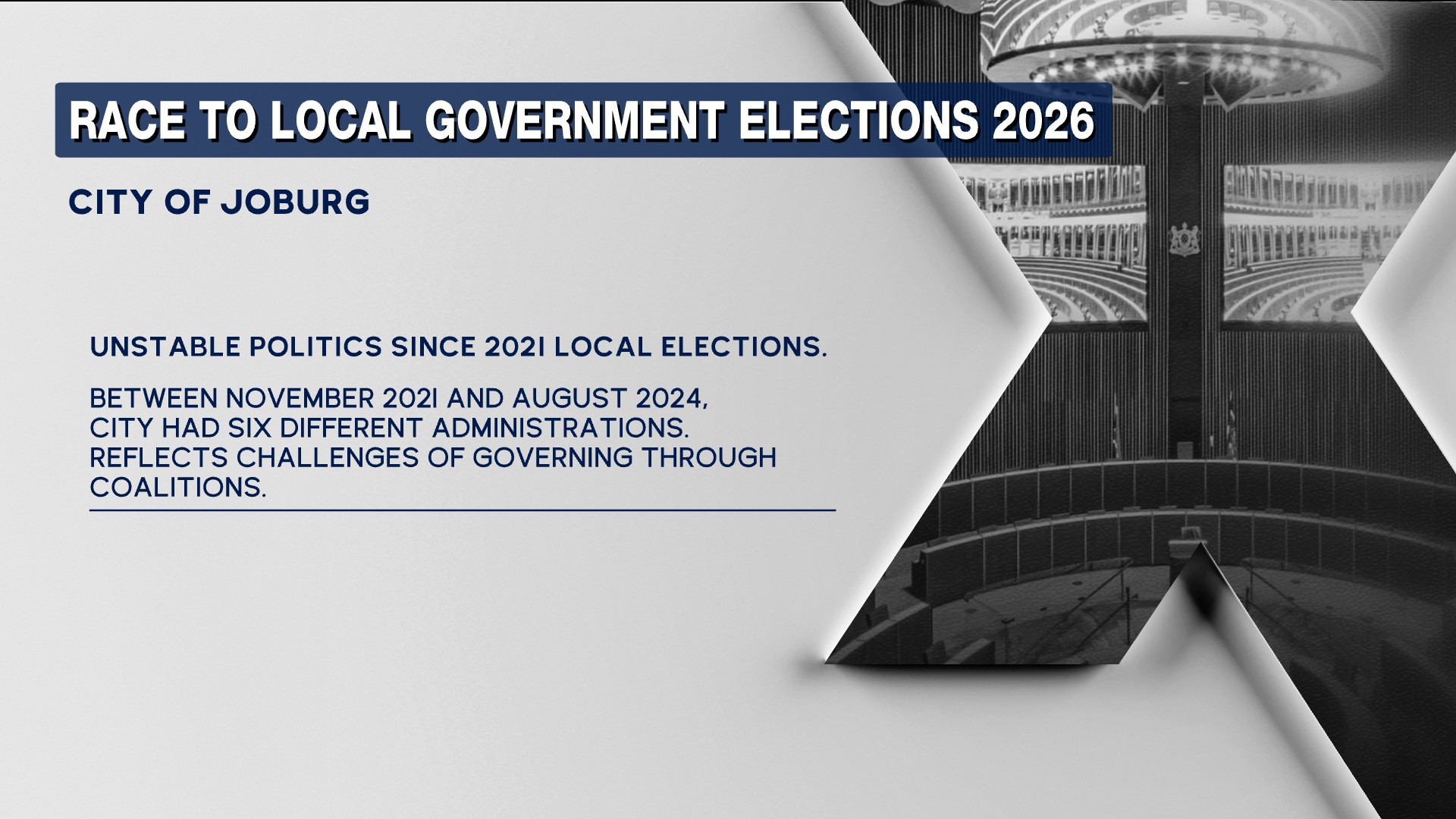
He argues this is largely because the city’s leadership has long been driven by patronage politics.
These patronage networks, he said, have become increasingly entrenched and are now a defining feature of coalition governments.
“When you are governed by patronage networks, you are governed for the interests of the network and not for the broader interests of the city. That alone triggers conflicts with others who are outside of that network. It then creates an environment of perpetual conflict in which nothing can be built that is sustainable.”
Johannesburg was founded in 1886 following the discovery of gold on a local farm two years earlier.
Today, however, the city is battling persistent service delivery failures and deteriorating infrastructure.
Roads are riddled with potholes, streetlights remain broken, the smell of raw sewage hangs over parts of the inner city, and abandoned buildings have become havens for criminal activity.
READ | Joburg fire | Over 600 abandoned, derelict buildings in Johannesburg
These concerns have also been raised by Auditor-General Tsakani Maluleke, who said poor-quality spending has resulted in money leaving the city’s coffers for maintenance that never materialises.
The City’s revolving door of mayors has only compounded the problem, undermining long-term planning and delaying meaningful progress.
Since 2016, Johannesburg has had 10 different mayors.
During that period, the city has seen repeated leadership changes because of resignations, motions of no confidence and legal challenges to appointments.
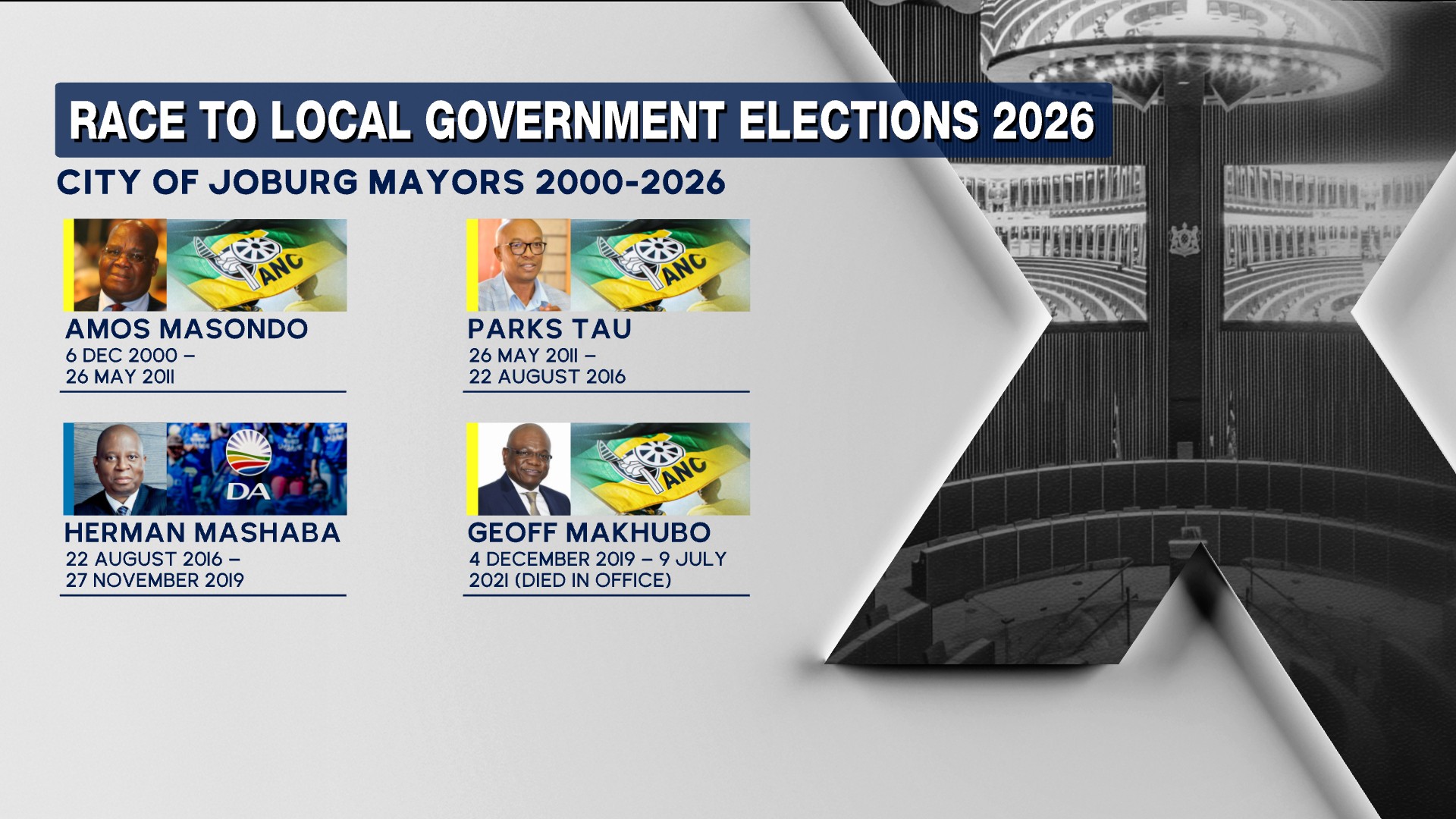
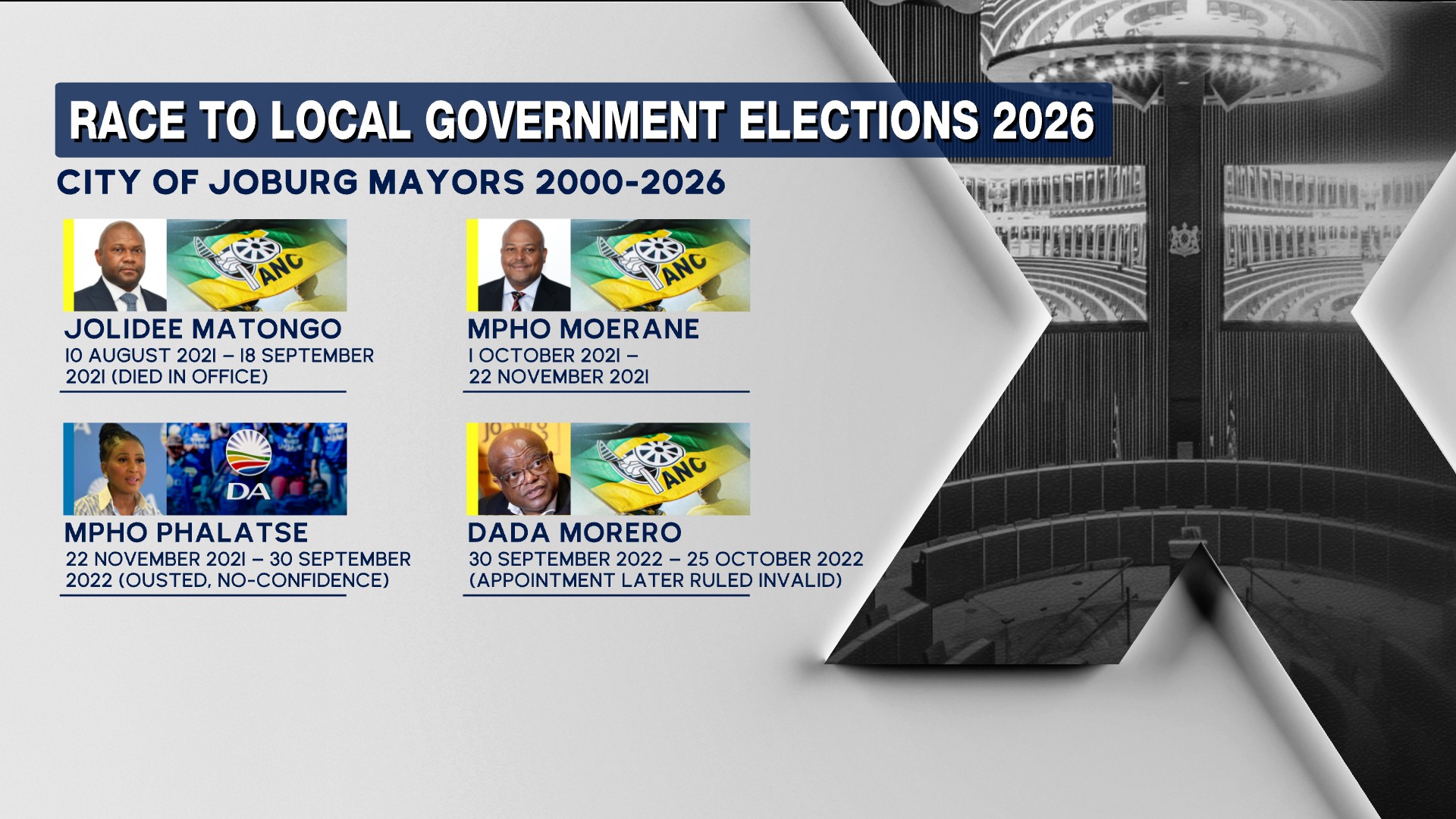
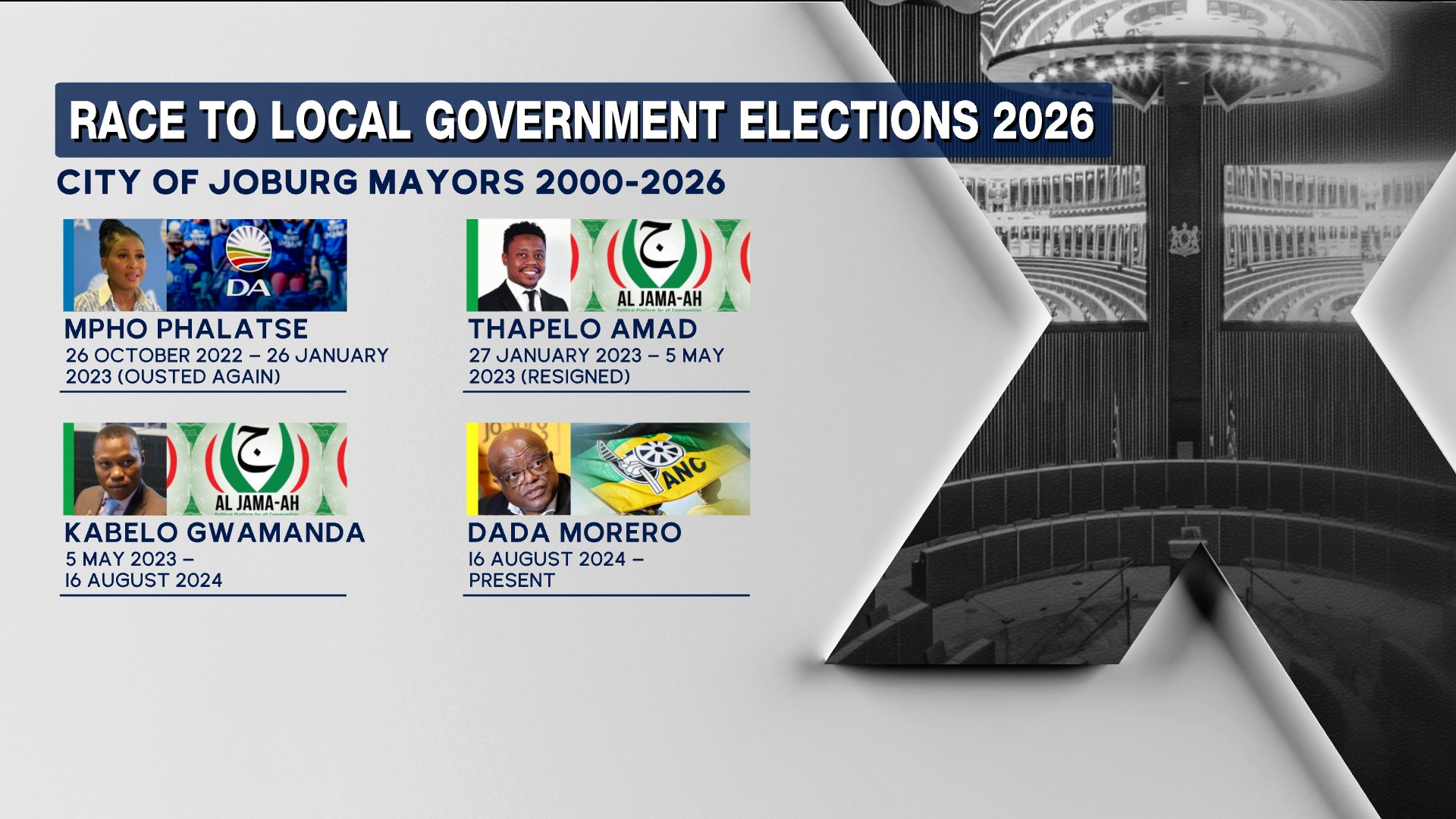


Mtimka said the consequences are evident in the city’s deteriorating financial position.
“When there isn’t leadership, chances of National Treasure threatening to withhold vital transfers in terms of government grants becomes inevitable,” he said.
With fewer than 100 days until the local government elections, the next mayor will inherit a daunting task.
Mtimka said the first 100 days in office should focus on restoring financial sustainability, improving political stability and strengthening governance.
“Local actors and their national counterparts cannot continue to create vulnerable political arrangements while they have seen that these tend to result in a high, you know, attrition rate for leadership. So it should be sustainable coalitions that are formed among fewer but more sustainable parties.”
As campaigning intensifies, attention is turning to who will lead South Africa’s economic hub.
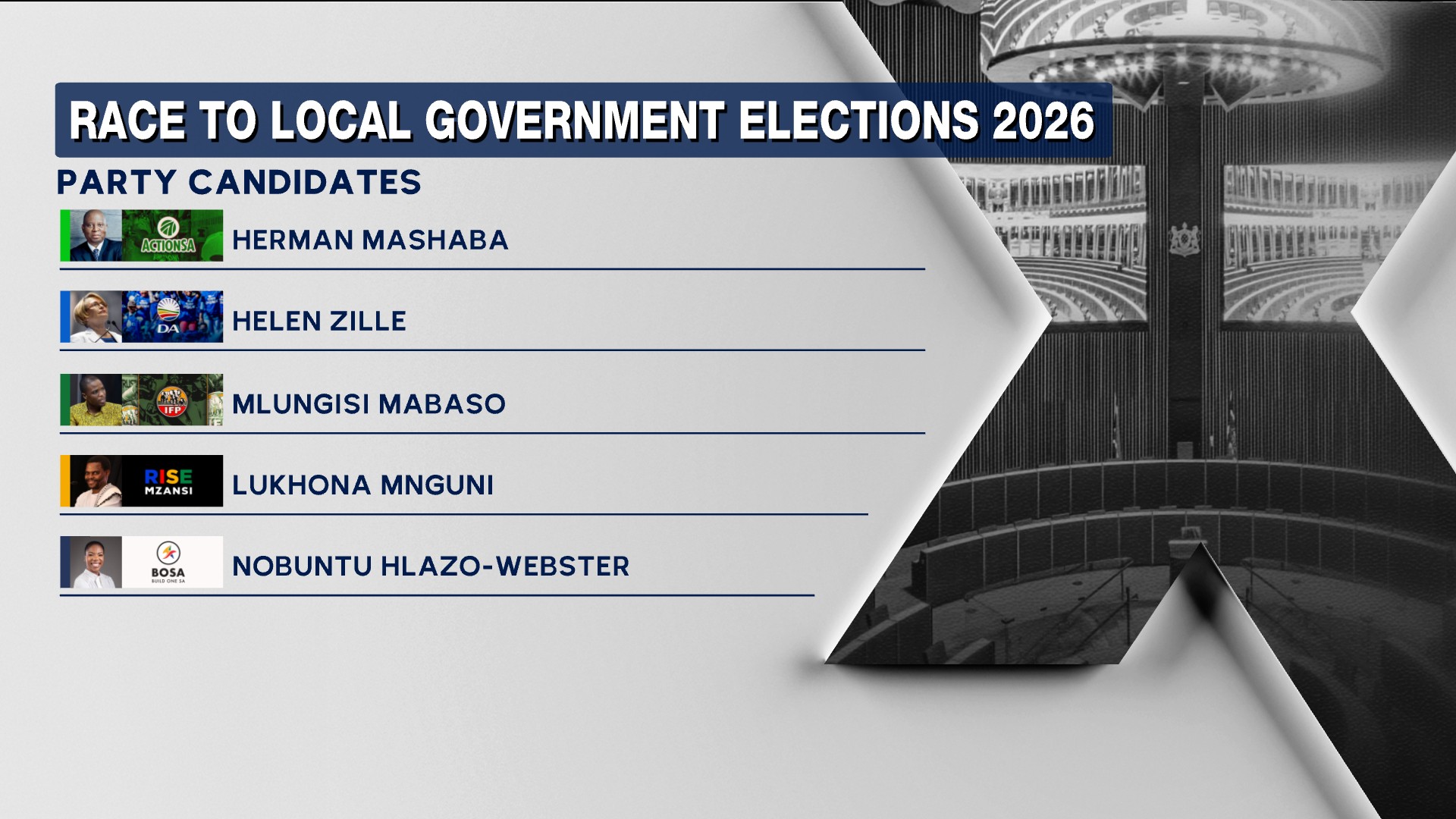
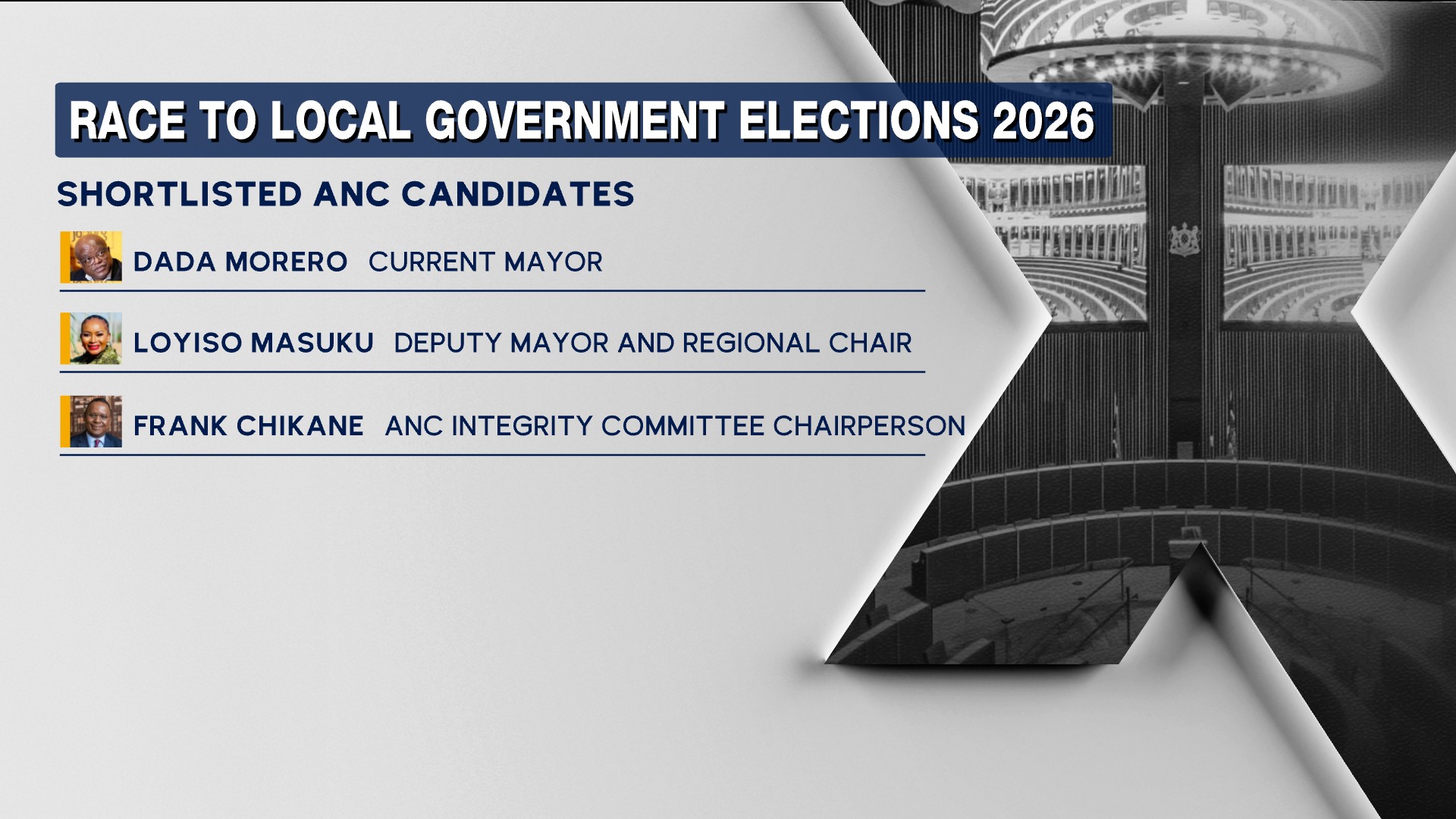
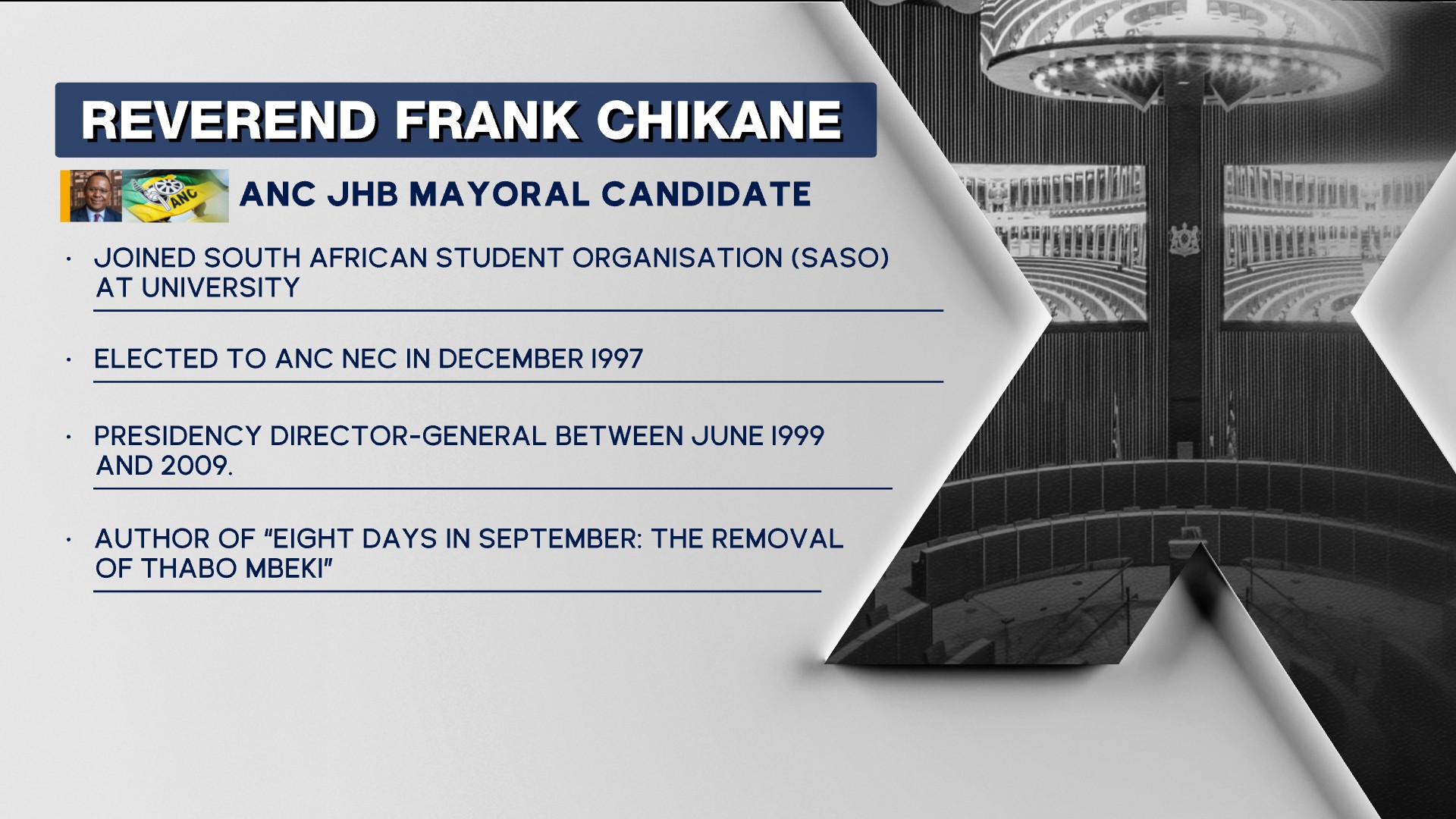
Several political parties have already announced their mayoral candidates. All eyes are now on the ANC, which has yet to unveil its nominee.