
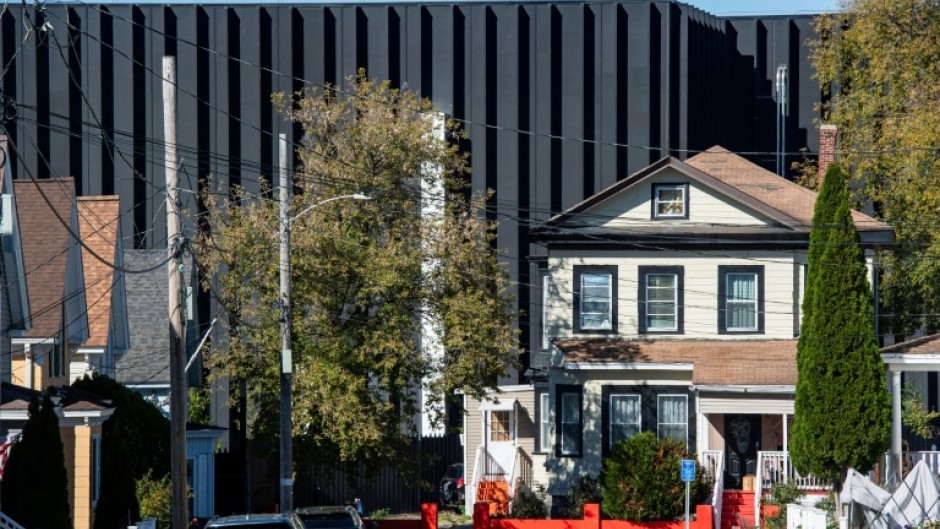
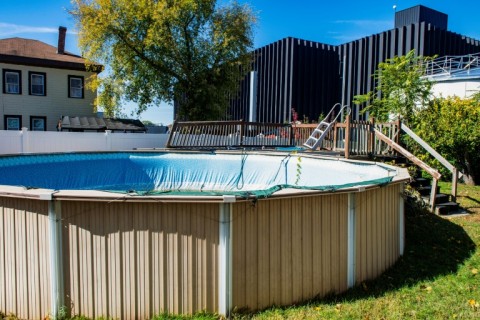
LOWELL - Retiree Eileen Castle hasn't been able to enjoy her backyard since a data centre moved in next door in Lowell, Massachusetts, bringing noise, fumes, dust and water mist.
But a few streets away, contractor Louis Haas is grateful to Markley, the company running the facility, for redeveloping an abandoned site he says was rife with drug use.
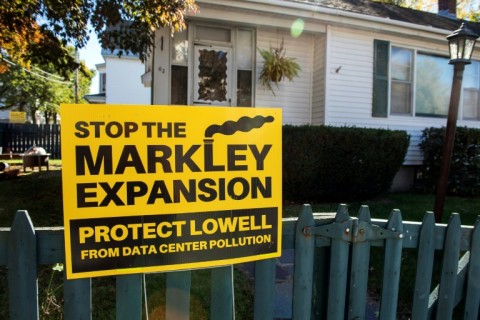
Dubbed "the Dungeon" by some locals for the imposing black silhouette it casts over a residential neighbourhood of this old milling city, those opposing views encapsulate how data centres are polarising communities across the United States.
Republican-governed states, with their looser regulations, host most of the country's current AI build-out. But in liberal-leaning New England, some feel betrayed by their elected representatives, while others fear being left behind if the industry is curbed.
- 'Nothing but noise' -
Over the din of construction behind a spiked fence, Castle, 82, told AFP her great-great-grandparents bought the property.
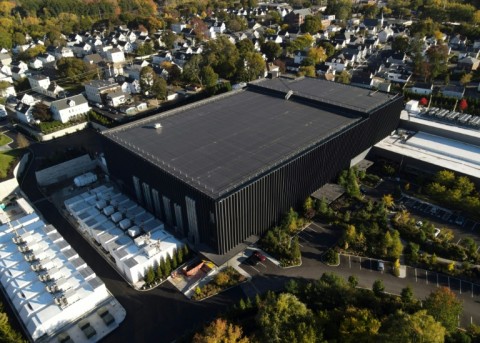
But since the data centre moved into a disused pasta factory a decade ago, "We have had nothing but noise. We have dust, dirt. We have all kinds of mist" from the adjoining cooling towers, which she fears could carry Legionnaires' disease.
Noxious fumes made a long interview outdoors impossible, and she lamented that her grandchildren can no longer swim in her small pool.
"I think every once in a while that maybe I should sell my house," she says, but adds her property value has plummeted.
"The Markley Group serves more than 600 clients in Massachusetts and connects the digital infrastructure that powers our economy, our schools, and the everyday needs of our community," Markley Group CEO Jeff Markley said in a statement to AFP.
The company said its backup diesel generators run only for five-minute tests each week and, thanks to abatement efforts, produce "about 44 decibels of sound, quieter than a soft conversation three feet away."
It said it tests its water twice a year for Legionnaires', and has planted 2,000 trees.
In 2015, the city council gave Markley a 20-year property and personal property tax break estimated at $77 million, the Lowell Sun newspaper reported at the time.
Enthusiasm has since cooled. In March, the council unanimously passed a 360-day moratorium on construction and expansion of commercial data centres, though Markley's 352,000-square-foot site was grandfathered in.
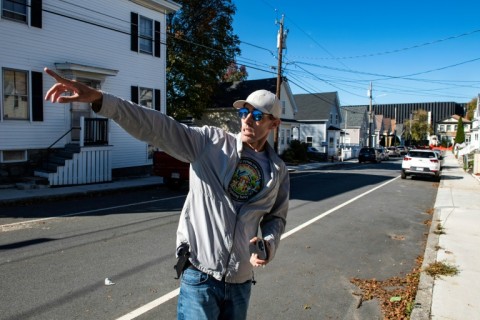
Residents represented by the Conservation Law Foundation (CLF) and others have sued to challenge its expansion, which included increasing the number of generators to 27, and won a temporary injunction in August.
CLF attorney Adam Reynolds told AFP that it is the "compounding effect of pollution that's really significant" in a historically industrial area.
- Community divisions -
Markley has supporters. Haas, 50, who supplies coffee to a major tech company, said the boom had been good to contractors like him.
"I'm a big liberal, I'm a Democrat. But I'm also pro-jobs and pro-economy," he told AFP.
Markley said it employs more than 100 full-time staff in Lowell, a third of them local. On top of that, over 100 unionised trades workers work on campus.
Another backer, Sarah Bibeau, a 43-year-old single mother of two who works in the defence sector, told AFP the company had been "kind and considerate," fixing roads and offering favours ranging from yard work to free Red Sox tickets.
Detractors include Jake Fortes, a 44-year-old travel agent who founded the group "Honest Future for Lowell" and whose property sits on the fence line.
"We're getting steamrolled by this company. So some of us have taken it to task," Fortes told AFP.
Like Castle, he feels let down by Democrats, including state Governor Maura Healey -- who signed a sales tax break for data centres into law but then paused new applications this year, a reversal that illustrates the party's dilemma.
Luz Marte, a 38-year-old lab technician, bought her house a year ago, without realising the site was a data centre.
"It sounds very loud, like an airplane is going to take off," she told AFP as her three-year-old son played.
Her home insurer recently moved to triple her premium, which she believes is linked to Markley buying a building even closer to her property.
"This is a home I bought for my son, to grow up, feel alive, and have a future," she said. "Now I'm doubting that idea."
- by Issam Ahmed (AFP)