
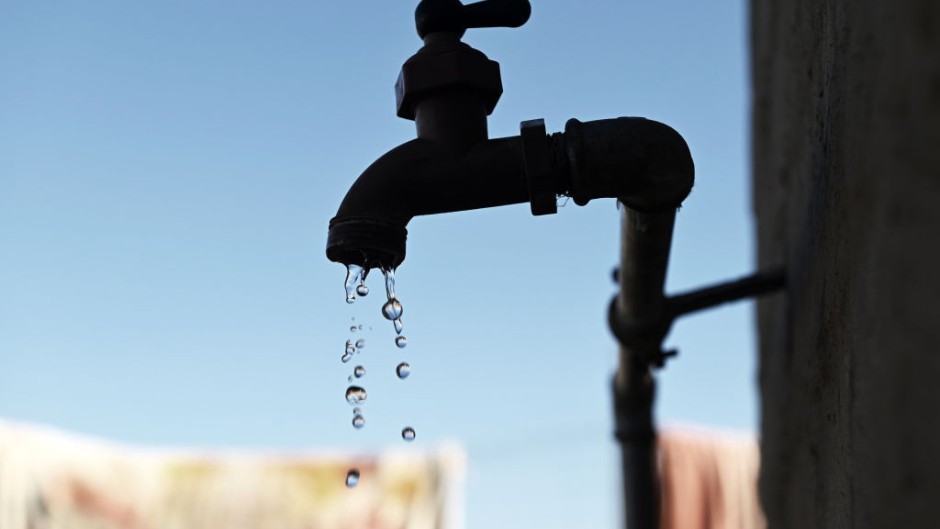
JOHANNESBURG - President Cyril Ramaphosa’s upcoming State of the Nation Address (SONA) must confront the deepening municipal water crisis.
This is according to Water Management expert, Professor Anja du Plessis as communities continue to face prolonged water outages and collapsing infrastructure.
Plessis said that at the centre of dealing with the water woes is establishing a plan to stabilise municipal water systems.
This, she said, includes the implementation of a utility model where revenue is collected and spent on infrastructure maintenance.
Additionally, she said there must be a review on non-revenue water by not just observing pipe bursts and leaks, but also water theft, vandalism and water mafias.
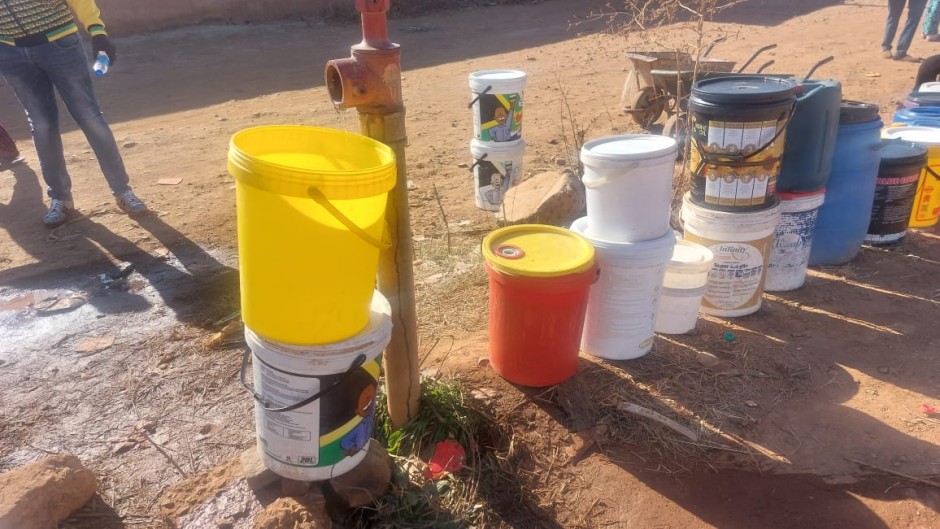
Du Plessis’s comments come amid a worsening water crisis in Gauteng, particularly in Johannesburg, where so-called “Day Zero” conditions have become a reality for many residents.
That is according to Water Forum’s Belinda Belseck who said some communities in areas fed by the Hurtshill, Alexander Park and Berea reservoirs have been without water for six to 21 days.
Recently in Midrand, residents were left frustrated after their taps went dry.
Rand Water, which had been attending to the outage, painted a grim picture ofthe water supply.
At the time, the water facility expressed concerns over high-water consumption, which continues to put a lot of strain on the overall water system network.
Last year, residents of Coronationville took to the streets to protest over persistent water shortages.
Five months later, many say the uncertainty has become a permanent feature of daily life, with no clarity on when water will flow from their taps.
Water and Sanitation Deputy Minister, David Mahlobo have previously praised government efforts to address the country’s water challenges but admitted that there have been serious shortcomings.
READ | Water woes continue in Midrand as restoration could take days
He said that infrastructure development has not kept pace with rapid population growth and rising economic demand, leaving many municipalities without sufficient storage capacity.
As a result, if a system faces technical issues, it takes longer to be able to respond to the issue.
But at the same time, Mahlobo also stressed that resolving the crisis will require both government intervention and citizen cooperation.
“You will not be able to address the water challenges or the crisis we face without citizens actually playing their part on how they relate to water.”
“At the same time government must be able to invest in infrastructure while also dealing with illegal connections,” Mahlobo said.
Mahlobo says South Africa needs more than R1 trillion to address critical water infrastructure failures, prompting government to turn to private sector investment.
However, Mahlobo says funding alone is not the biggest obstacle.
“The real challenge is the ability to produce bankable projects,” he said, noting that many municipalities submit wish lists rather than viable, fundable proposals.
Meanwhile, smaller municipalities are struggling due to weak revenue bases and the inability to provide collateral required for co-funding.
Government is now exploring alternative implementation models, including build, own, train and operate arrangements, to allow the private sector to step in and deliver critical water infrastructure.
Du Plessis notes the efforts by the Department of Water and Sanitation and is hopeful on the plans in place.