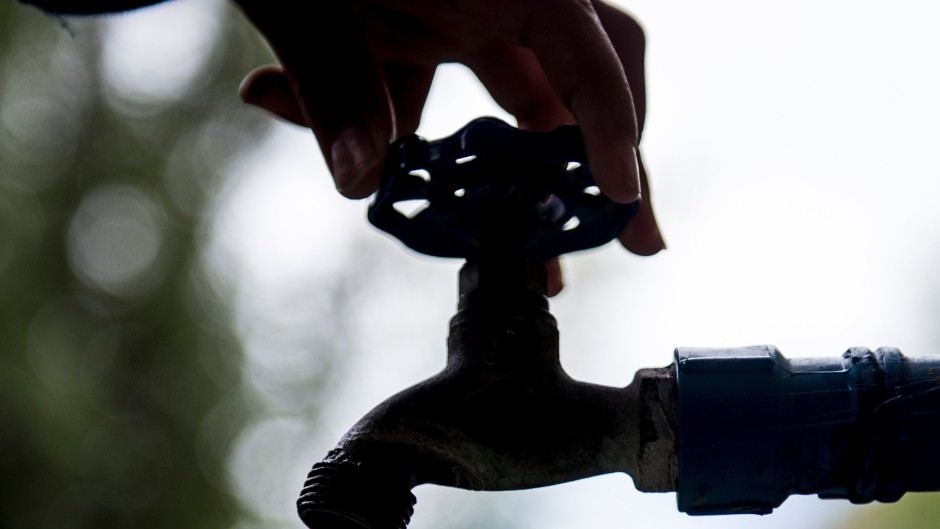
JOHANNESBURG - Two days without water may not sound like much, compared to communities that go weeks or months without. But when the taps ran dry in my northern Johannesburg home last week, I posted a short video about it — and the response showed me just how deep this crisis runs.
Within hours, South Africans from across the country flooded the comments. Dobsonville residents said they’ve been without water every week for a year. Free State residents described dry taps despite living next to dams. Hammanskraal residents spoke of two months without a drop. From the Eastern Cape, KwaZulu-Natal, Mpumalanga, Limpopo and the North West, the same cry echoed: our taps are dry, our patience is gone.
This is not a Joburg issue. It is not a local issue. It is a national emergency.
Two pipe bursts in two days in my area exposed how fragile the infrastructure has become. It cannot be dismissed as bad luck. It’s poor maintenance, ageing pipes, and sometimes questionable workmanship. And the story repeats everywhere — burst pipes, endless “planned maintenance”, and tankers that don’t arrive.
We’ve heard the same explanations for decades: “upgrades are coming” or “demand is too high”. These bring no comfort to residents whose dignity depends on water in their homes.
The double standard makes it worse. Miss one payment, and your supply is cut almost instantly. Yet when Joburg Water or the municipality fails, urgency vanishes.
Johannesburg calls itself a world-class African city, preparing to host the G20 Summit in November. But a world-class city cannot exist where residents cannot rely on the most basic human right: water from a tap.
This is not about politics or parties. The water crisis cuts across class and geography. Those in informal settlements live this reality daily. But so too do families in so-called wealthy suburbs — unless they can afford boreholes or backup storage systems like JoJo tanks. Most households can’t afford this. Water scarcity has levelled us all.
The water crisis is not just about service delivery. It’s about dignity, health, and trust. Without water, families cannot cook, clean, or live decently. Schools and hospitals cannot function. Businesses slow down, and people’s patience frays. Without water, there is no daily life, no hygiene, no health, no trust in leadership. It is also about democracy’s promise. Nearly 30 years ago, South Africans believed democracy would bring reliable services and a better life. When taps run dry decade after decade, that promise withers.
I speak here not as a broadcaster, but as a resident and a ratepayer. Like many others, I pay my bills on time and expect the basics in return. The appeal is simple: fix leaks properly, communicate honestly, and put people before politics. South Africans are patient people, but patience is running out. As one commenter put it, “we’ve been taken for fools.” That frustration should alarm those in power.
The right to water is enshrined in our Constitution. It should not be contested, rationed, or postponed. It should be guaranteed.
South Africa now faces a moment of truth. We cannot continue with excuses and patchwork solutions. We cannot allow citizens’ dignity to be stripped by dry taps. If we do, frustration will turn into something harder to contain.
A world-class city, and a world-class nation, begins with world-class basics. The call is urgent and simple: stop the excuses, start delivering, restore the water — and keep it flowing.
By Dan Moyane