
JOHANNESBURG - The murder of 27-year-old e-hailing driver Mthokozisi Mvelase in Soweto has once again highlighted the tension between South Africa’s taxi industry and e-hailing services.
Mvelase, who had just started in the new job, was shot outside Maponya Mall before his car was set alight, with him inside.
This prompted protests, with many calling for taxi operations to be halted in Pimville.
While his killing is being investigated, it has now raised a broader question: can e-hailing services and taxis co-exist in South Africa’s transport system?

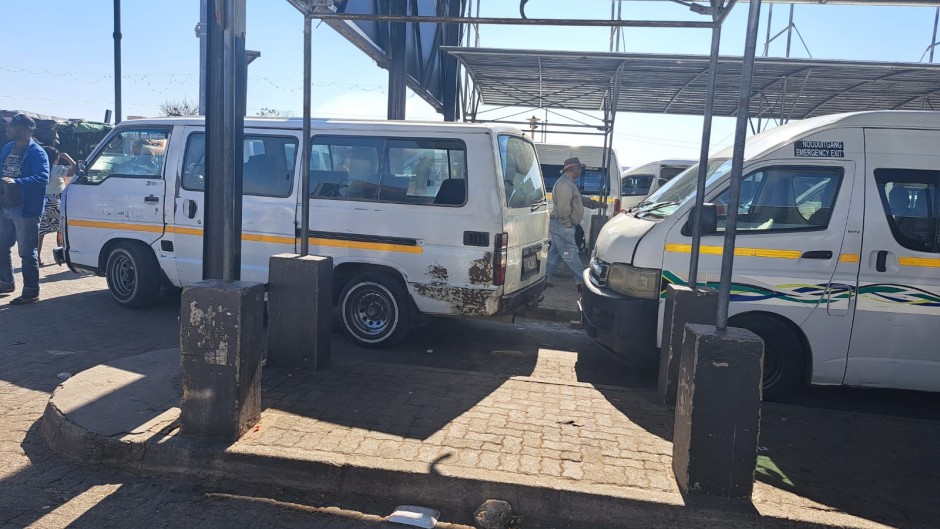
Taxis's are the backbone of public transport
For many South Africans, taxis remain the lifeline to work, schools, malls and government offices.
From going to Home Affairs, to collecting SASSA grants and trips to the clinic.
Theo Malele, spokesperson of the National Taxi Alliance cautions against stopping taxis from operating, saying “ it will create serious challenges for commuters.”
Malele adds that while coexistence with e-hailing services is necessary, the industry faces problems of its own.
“E-hailing services are fragmented. There is a power struggle within the industry, and they need to sort themselves out,” he argues.
Malele suggests that stronger regulation and law enforcement could create stability.
"Currently they can travel anywhere and any how while taxi’s are confined to a specific geographic network which is where they have to operate should they go beyond they would have transgressed. This needs to be addressed.”
E-Hailing drivers daily struggle
The e-hailing association has admitted to facing their own obstacles.
Chairperson of the Western Cape e-hailing association Siyabonga Hlabisa, says taxi marshals restrict them from working in certain areas, while sometimes taxi drivers impound cars and charge fines of up to R1,000 for their release.
He argues that taxi associations believe they rule the industry and this needs to be addressed.
He says they do not view taxi operations as a treat nor should they be viewed as such as both operate in their own way.
Commuters Caught in the Middle
Overall these tensions are more than just a business dispute, they affect everyday commuters.
Social media claims that the South African National Taxi Council has ordered motorists not to carry more than one passenger in private cars, but the council has denied this.